Summary
- LAHORE: The Lahore High Court (LHC) has dismissed a petition challenging capacity charges and payments made to Independent Power Producers (IPPs) through electricity bills, ruling that such matters fall within the domain of policymakers rather than the judiciary.
- The ruling emphasized that issues related to electricity tariffs and capacity payments involve complex policy considerations that are best addressed by elected institutions and regulatory authorities.
- The court also clarified that ordering the recovery or refund of payments already made to IPPs falls outside its jurisdiction.
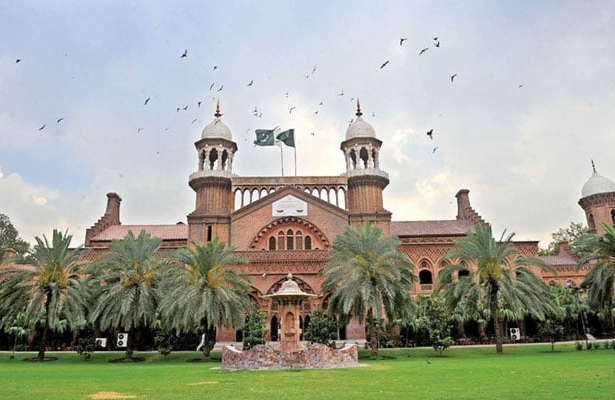
LAHORE: The Lahore High Court (LHC) has dismissed a petition challenging capacity charges and payments made to Independent Power Producers (IPPs) through electricity bills, ruling that such matters fall within the domain of policymakers rather than the judiciary.
In a detailed six-page judgment, Justice Ahmed Nadeem Arshad held that decisions regarding energy sector policies, tariffs, and financial arrangements are the responsibility of the government and parliament. The court observed that it cannot function as an appellate body for reviewing economic, regulatory, or financial policies merely because a citizen disagrees with them.
The ruling emphasized that issues related to electricity tariffs and capacity payments involve complex policy considerations that are best addressed by elected institutions and regulatory authorities. The court noted that the petitioner failed to demonstrate any violation of fundamental rights that would justify constitutional intervention.
Justice Arshad further stated that the judiciary is not empowered to act as a regulator, auditor, or economic policymaker. Judicial review, he explained, is limited to cases involving illegality, constitutional violations, or abuse of authority.
The judgment stressed the importance of maintaining the constitutional separation of powers, cautioning courts against encroaching on administrative and governmental functions. It added that public interest cannot be used as a basis for compelling courts to formulate or alter national policies.
The court also clarified that ordering the recovery or refund of payments already made to IPPs falls outside its jurisdiction. Consequently, the petition was declared inadmissible and dismissed, reinforcing the principle that policy disputes concerning the energy sector must be resolved through legislative and executive channels rather than judicial intervention.
We welcome your contributions! Submit your blogs, opinion pieces, press releases, news story pitches, and news features to [email protected] and [email protected]