Summary
- Digital education received significant investment, with the establishment of IT training centers, Digital Learning Hubs, and STEAM, Robotics, and AI labs, alongside computer labs in 226 girls’ schools to promote digital access and inclusion.
- Infrastructure upgrades included the solarization of 100 schools, improvements to public school buildings and libraries, and early childhood education and vocational training centers designed to enhance foundational skills and employability.
- Siddiqui emphasized that these initiatives are intended to align the education sector with modern requirements, enhance the quality and accessibility of public education, and improve the future employability of students, asserting that the Ministry’s approach reflects both fiscal prudence and strategic educational planning.
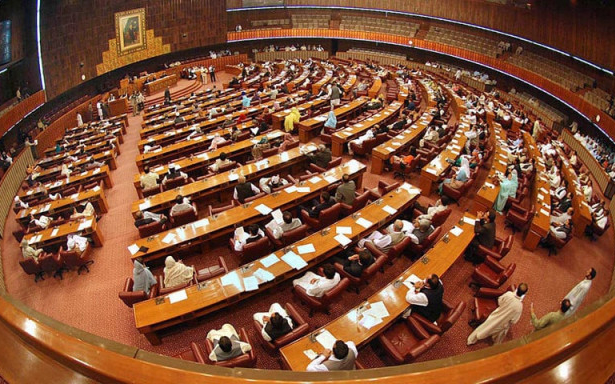
Islamabad: The Federal Education and Professional Training Division reported full utilization of its allocated budget for FY 2024–25, totaling Rs. 39.833 billion, as revealed in the National Assembly during a question raised by Mr. James Iqbal, MNA. While officials highlight this as a demonstration of fiscal discipline and impactful spending, lawmakers and education analysts have raised concerns over the effectiveness, oversight, and transparency of such large scale expenditures.
Minister for Federal Education and Professional Training, Dr. Khalid Maqbool Siddiqui, informed the Assembly that the Ministry implemented a comprehensive range of initiatives under Grant No. 36, targeting education access, digital integration, and student well being across the Islamabad Capital Territory (ICT). Key measures highlighted include the Prime Minister’s School Meal Program, operating in 247 institutions, alongside Health & Hygiene initiatives in 125 schools, aimed at improving student nutrition and overall learning environments.
Digital education received significant investment, with the establishment of IT training centers, Digital Learning Hubs, and STEAM, Robotics, and AI labs, alongside computer labs in 226 girls’ schools to promote digital access and inclusion. The Ministry also launched an Education Voucher Programme to integrate out of school children into formal education, and established 51 evening schools to address enrollment challenges in underserved areas.
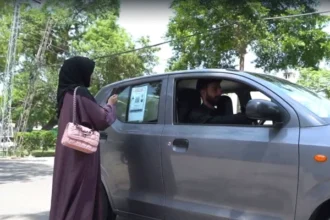
Infrastructure upgrades included the solarization of 100 schools, improvements to public school buildings and libraries, and early childhood education and vocational training centers designed to enhance foundational skills and employability. Safety and student support measures expanded through initiatives such as the Prime Minister’s Free Pink Bus Service, eye screening programs, a mental well being helpline, and the provision of first aid facilities. Technology parks and e Rozgar centers were also set up to boost employment opportunities for youth, further integrating skills development with modern economic needs.
Despite these achievements, some lawmakers raised questions regarding oversight, monitoring, and measurable outcomes, asking how the Ministry ensures that such a high rate of budget utilization translates into real improvements in student learning, teacher performance, and educational quality. Analysts caution that while the spending appears impressive on paper, the effectiveness of programs especially digital initiatives and skill building centers requires independent evaluation to ensure long term impact.
Dr. Siddiqui emphasized that these initiatives are intended to align the education sector with modern requirements, enhance the quality and accessibility of public education, and improve the future employability of students, asserting that the Ministry’s approach reflects both fiscal prudence and strategic educational planning.
We welcome your contributions! Submit your blogs, opinion pieces, press releases, news story pitches, and news features to [email protected] and [email protected]