Summary
- TEHRAN: Iran and Oman are set to hold talks today on the Strait of Hormuz and the security of key regional maritime routes, as tensions continue to rise over oil shipments, US sanctions and the possibility of further restrictions on shipping.
- Secretary of Iran’s Supreme National Security Council Mohsen Rezaei said that if the economic war against Iran continues, Tehran will not allow even a drop of oil to pass through the Strait of Hormuz.
- Iran’s latest statements indicate that Tehran intends to use its strategic position in the Gulf as leverage against continued economic and military pressure, while regional countries face growing pressure to prevent the situation from escalating further.
TEHRAN: Iran and Oman are set to hold talks today on the Strait of Hormuz and the security of key regional maritime routes, as tensions continue to rise over oil shipments, US sanctions and the possibility of further restrictions on shipping.
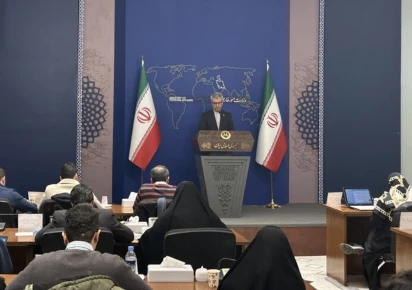
Iranian Foreign Ministry spokesman Esmail Baghaei dismissed US claims that Washington could ensure the continued movement of oil through the Strait of Hormuz, describing such statements as part of a broader psychological warfare campaign.
The Strait of Hormuz remains one of the world’s most important energy corridors, carrying a significant share of global oil and gas supplies. Any disruption in the waterway could affect international energy markets and increase concerns over fuel supplies and shipping costs.
Meanwhile, foreign media reports said Iran has warned Bulgaria against providing refuelling facilities to US aircraft. Tehran reportedly cautioned that countries assisting American military operations could face consequences, adding another dimension to the growing regional tensions.
Iranian officials have also issued increasingly strong warnings over the impact of US economic pressure. Secretary of Iran’s Supreme National Security Council Mohsen Rezaei said that if the economic war against Iran continues, Tehran will not allow even a drop of oil to pass through the Strait of Hormuz.
Rezaei also criticised Washington’s repeated sanctions against Iran, arguing that previous rounds of economic restrictions had failed to achieve their intended objectives. He maintained that continued sanctions would not force Iran to change its position.
Iranian Economy Minister Seyed Ali Madanizadeh, meanwhile, said Tehran was fully prepared to confront the latest US sanctions. He argued that Washington could not sever Iran’s financial lifelines and stressed that the government had developed measures to withstand continued economic pressure.
The planned discussions with Oman come as international attention remains focused on the Strait of Hormuz. Oman has historically played a role in regional diplomacy and maintaining communication between Iran and Western countries.
Any escalation around the waterway could have consequences well beyond the Middle East, particularly for global oil prices, shipping insurance and international trade. The talks between Iran and Oman are therefore being closely watched for signs of a possible diplomatic effort to prevent further disruption to maritime traffic.
Iran’s latest statements indicate that Tehran intends to use its strategic position in the Gulf as leverage against continued economic and military pressure, while regional countries face growing pressure to prevent the situation from escalating further.
We welcome your contributions! Submit your blogs, opinion pieces, press releases, news story pitches, and news features to opinion@minutemirror.com.pk and minutemirrormail@gmail.com