

Summary
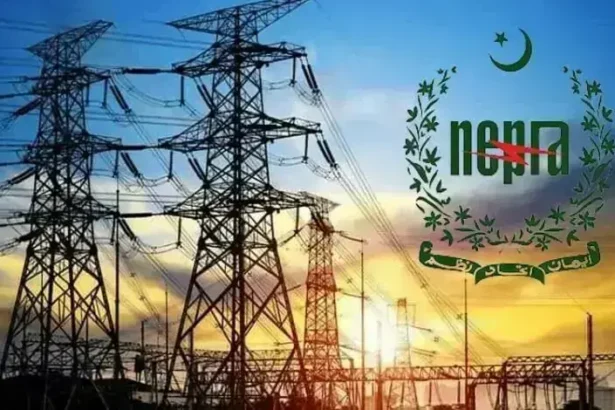
- ISLAMABAD: The National Electric Power Regulatory Authority (Nepra) has directed K-Electric (KE) to immediately stop unannounced, unscheduled and excessive load shedding, particularly in areas where consumers regularly pay their electricity bills.
- Nepra said KE had been following its own approach of linking load shedding to aggregate technical and commercial (AT&C) losses.
- Nepra further ordered KE to adopt targeted measures to tackle electricity theft and commercial losses instead of imposing feeder-level outages.
ISLAMABAD: The National Electric Power Regulatory Authority (Nepra) has directed K-Electric (KE) to immediately stop unannounced, unscheduled and excessive load shedding, particularly in areas where consumers regularly pay their electricity bills.
The regulator has ruled that commercial or revenue-based load shedding has no legal basis under the Nepra Act, relevant rules or KE’s distribution licence. It said electricity theft, unpaid bills or high losses on a feeder cannot justify cutting power to consumers who meet their payment obligations.
The directions came after Nepra received repeated complaints from Karachi residents about prolonged and discriminatory power outages. The regulator found that the complaints pointed to a wider problem in KE’s load management practices.
Nepra said KE had been following its own approach of linking load shedding to aggregate technical and commercial (AT&C) losses. However, the authority said such a policy was not recognised under the existing regulatory framework.
The regulator also found that actual outages were frequently longer than the schedules announced by KE. In many cases, additional unannounced outages were imposed on top of scheduled load shedding, affecting around 2.37 million consumers.
Nepra warned that compliant consumers must not be punished for the actions of other residents on the same feeder. It described such collective action as discriminatory and inconsistent with the principles of individual responsibility and natural justice.
The authority said power supply could only be curtailed under legally recognised circumstances, such as technical limitations, transmission constraints, system emergencies or an actual shortage of generation.
Nepra further ordered KE to adopt targeted measures to tackle electricity theft and commercial losses instead of imposing feeder-level outages. Consumers involved in theft or persistent payment defaults should be dealt with individually and according to law.
The regulator directed KE to intensify anti-theft operations and coordinate with law-enforcement agencies to prosecute electricity thieves. It also instructed the utility to install Aerial Bundled Cables (ABC) in high-loss areas to reduce electricity theft and technical losses.
KE has been given 30 days to submit a time-bound plan for phased installation of ABC technology. It must also provide Nepra with a comprehensive compliance report within 30 days of the order.
Nepra noted that the issue had broader consequences for Karachi. Extended power outages have disrupted water supply systems, healthcare services and electric bus operations. Telecom companies have also been forced to depend heavily on diesel generators at sites located on high-loss feeders, increasing operating costs.
We welcome your contributions! Submit your blogs, opinion pieces, press releases, news story pitches, and news features to opinion@minutemirror.com.pk and minutemirrormail@gmail.com