Summary
- By Saif Awan The Maryam Nawaz government in Punjab has completed 1,000 days in office, marking a period of ambitious development initiatives, welfare programmes and reforms across multiple sectors.
- The government has also introduced welfare initiatives, including the Himmat Card, Minority Card, Labour Card, Livestock Card and Rehmat Card, providing assistance and opportunities to different segments of society.
- A broader vision beyond Punjab The government has also extended selected initiatives and opportunities to people from other regions, including Balochistan, Khyber Pakhtunkhwa and Gilgit.
By Saif Awan
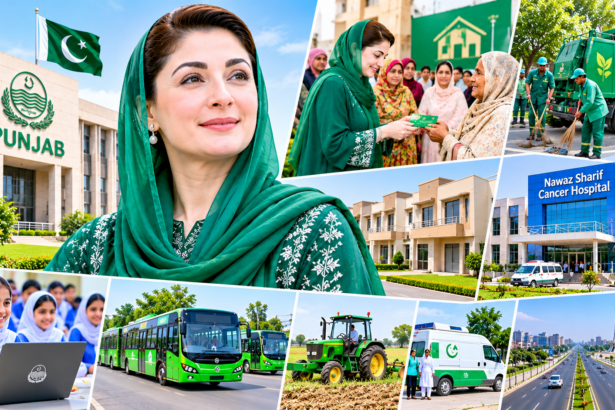
The Maryam Nawaz government in Punjab has completed 1,000 days in office, marking a period of ambitious development initiatives, welfare programmes and reforms across multiple sectors. From healthcare and education to agriculture, housing, transport and public infrastructure, the provincial government has launched projects aimed at improving the lives of millions of people.
The journey reflects a commitment to public service, delivery and fulfilling promises made to the people. What distinguishes governance, ultimately, is the ability to translate political commitments into practical initiatives that reach citizens.
Ramadan relief and social welfare
One of the first major initiatives launched by Chief Minister Maryam Nawaz after assuming office was the Ramadan Nigahban Programme, designed to support financially struggling families during the holy month.
In its first year, assistance was distributed in cash, while the following year, around 4.5 million families received financial support through ATM cards. The initiative aimed to make assistance accessible while preserving the dignity and self-respect of beneficiaries, with cards delivered directly to their homes.
The government has also introduced welfare initiatives, including the Himmat Card, Minority Card, Labour Card, Livestock Card and Rehmat Card, providing assistance and opportunities to different segments of society.
Suthra Punjab transforms sanitation services
The Suthra Punjab Programme has emerged as one of the government’s major initiatives to improve cleanliness across urban and rural areas. The programme has expanded waste management services beyond major cities to towns, villages and smaller settlements.
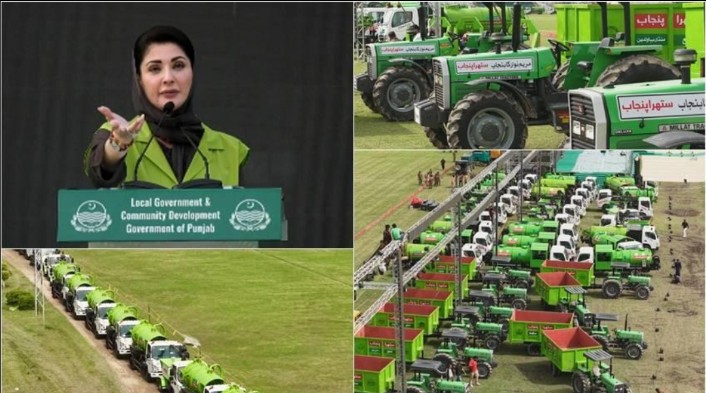
According to the programme’s reported achievements, more than 120,000 jobs have been created, while modern machinery and equipment have strengthened waste collection and disposal operations.
The initiative aims to make cleanliness a continuous public service rather than a temporary campaign. Its complaint redressal mechanism has also been highlighted, with the government reporting a 100 per cent resolution rate for complaints registered through its helpline.
Housing programme brings dream of homeownership closer
The Apni Chhat Apna Ghar Programme is another flagship initiative, aimed at helping families build their own homes and achieve greater financial and residential security.
The government claims that more than 220,000 houses have been constructed within 18 months under the initiative. The programme has also received international recognition, with Maryam Nawaz receiving an award at a ceremony in Muscat last month, which she dedicated to the people of Pakistan.
Roads and connectivity across Punjab
Infrastructure development has remained a major focus, particularly road construction and rehabilitation under the Punjab Development Programme.
According to the government, approximately 50,000 kilometres of roads have been constructed or rehabilitated, covering urban roads, rural link routes, streets and roads connecting towns and communities.
The initiative aims to improve travel, reduce commuting difficulties, connect rural economies with markets and make transportation of agricultural produce easier. Better road infrastructure is also expected to support commercial activity and improve access to essential services.
Healthcare reforms and expansion
Healthcare has been among the government’s key priorities, with new hospitals, mobile medical services and specialised facilities introduced or expanded across the province.
The Nawaz Sharif Cancer Hospital in Lahore, planned with a capacity of 1,000 beds, is expected to become a major cancer treatment facility. Its outpatient department is already operational, according to the article.
The Jinnah Institute of Cardiology has also been established in Lahore, while hospitals in Sargodha, Murree and Sahiwal have been developed to improve healthcare access.
Maryam Nawaz Health Clinics, catheterisation laboratories and mobile medical facilities are being extended to underserved communities. The government is also providing free medicines for cancer, tuberculosis and hepatitis to around one million people at their doorsteps.
Punjab has additionally reported more than 18,000 free heart surgeries for children. Over 1,000 Clinics on Wheels are providing medical services, while field hospitals are bringing healthcare facilities closer to communities.
Education, scholarships and opportunities for students
The education sector has witnessed several initiatives aimed at supporting students from low-income backgrounds and improving public schools.
The Punjab government is distributing laptops to 112,000 students and scholarships to 120,000 students. The programmes aim to help talented students continue their education despite financial challenges.
Electric bikes have also been introduced to facilitate students’ transportation. After distributing 25,000 electric bikes last year, the government has announced a target of 100,000 bikes for the current year.
Public schools are undergoing improvements, including upgraded classrooms, boundary walls, toilets, clean drinking water and IT laboratories.
The Milk Programme in South Punjab has reportedly benefited more than 1.1 million children through the distribution of milk and biscuits, aimed at supporting nutrition and healthy development.
Schools of Eminence and inclusive education
The Nawaz Sharif Schools of Eminence initiative seeks to introduce quality education in public-sector institutions. Around 150 schools have reportedly been established, with the provincial government planning to expand the network to 300 institutions.
Education Minister Rana Sikandar Hayat is overseeing the initiative, which aims to provide students with improved learning facilities and opportunities.
A dedicated autism school has also been established for children with special needs, with Special Assistant Sania Ashiq supervising its development.
Electric buses reshape public transport
Punjab’s public transport system is undergoing expansion through the introduction of electric buses in different cities.
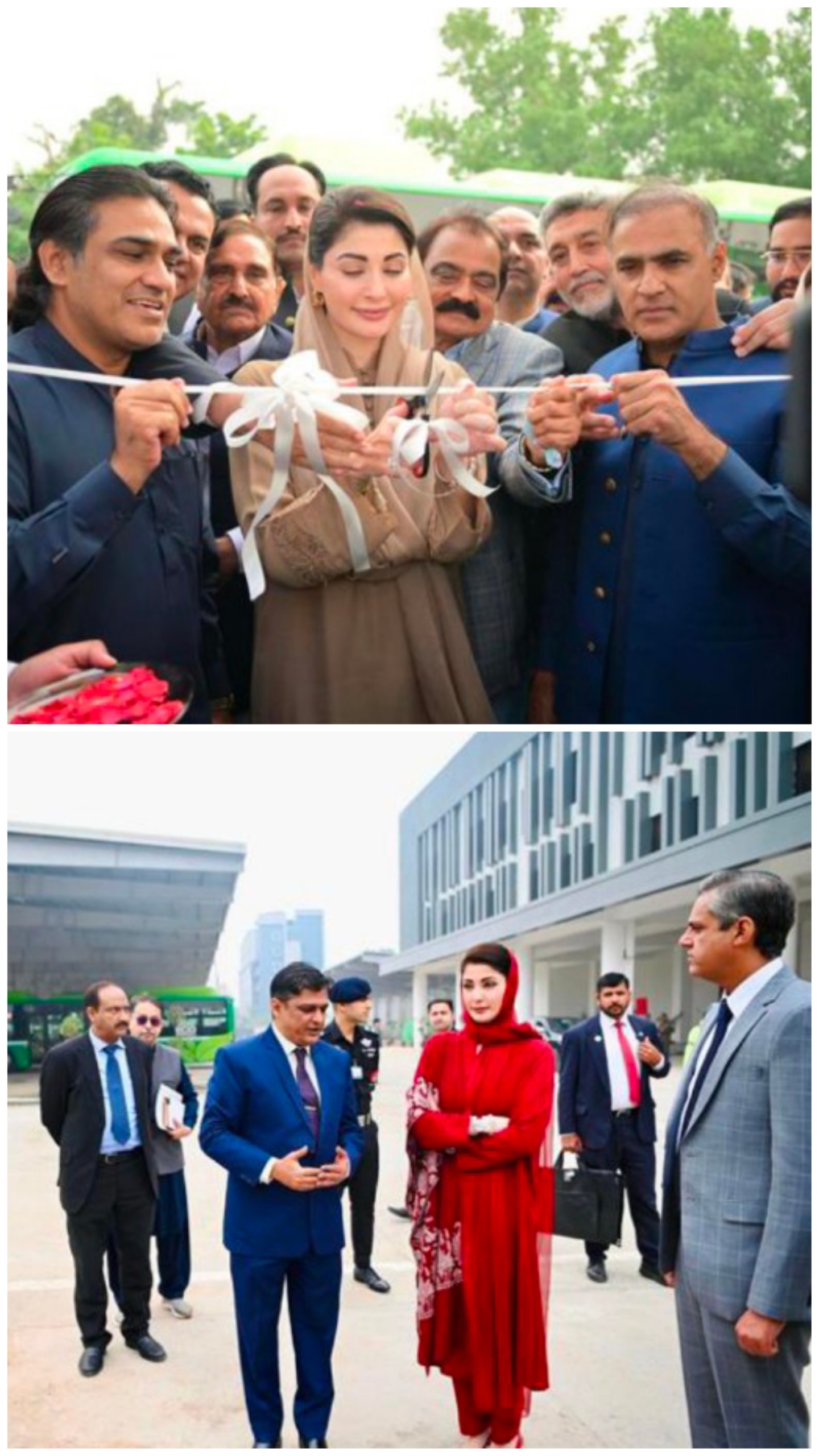
Around 650 electric buses are currently operating across the province, with the government targeting 3,000 buses by 2027. Its longer-term plan envisages a fleet of 5,000 buses serving all tehsils within five years.
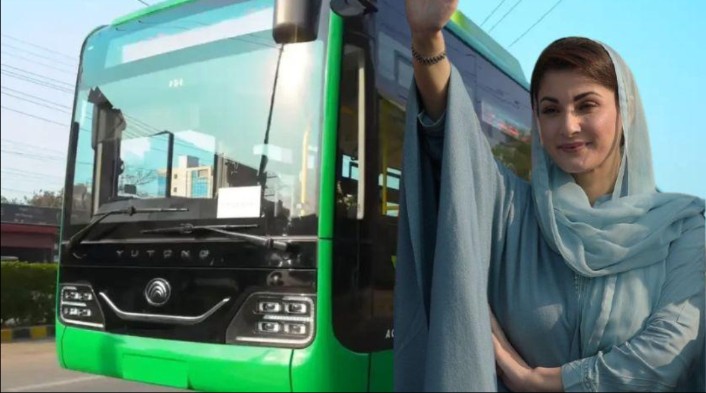
The initiative is aimed at providing affordable, convenient and environmentally friendly transport while improving mobility for students, workers and commuters. Transport Minister Bilal Akbar is leading the programme.
Agricultural support and modernisation
Agriculture remains central to Punjab’s economy and rural livelihoods. The government has introduced several initiatives to provide farmers with financial assistance, modern machinery and access to essential agricultural inputs.
More than one million farmers are benefiting from the Kisan Card, while initiatives involving fertilisers, seeds, solar-powered tube wells and super seeders are underway.
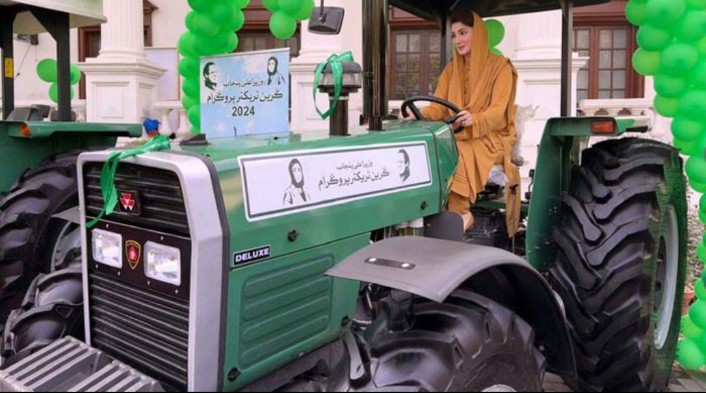
The Green Tractor Programme aims to provide 50,000 tractors to farmers. Agricultural graduate internships and Model Agriculture Malls have also been introduced to bring advisory services, products and facilities together under one roof.
The government attributes record increases in wheat, rice and sugarcane production partly to these agricultural support initiatives.
Loans and entrepreneurship
The Asaan Karobar Programme has been launched to encourage young entrepreneurs and business owners. It offers loans ranging from Rs1 million to Rs30 million to support businesses and economic activity.
The government says interest-free loans worth up to Rs100 billion have been disbursed under the programme, providing opportunities for people seeking to establish or expand their businesses.
Flood rehabilitation and financial assistance
Punjab faced devastating floods last year, affecting more than 800,000 people and causing widespread displacement and damage.
The provincial government says it allocated up to Rs200 billion from its own resources to support affected families and their rehabilitation. The response was presented as an effort to ensure that people received financial assistance without waiting for external funding.
The scale of the disaster tested the government’s emergency response and rehabilitation capacity, making assistance to affected households a major component of its public welfare agenda.
E-taxis, solar energy and urban development
The E-Taxi Scheme has introduced electric vehicles as a potential source of livelihood, particularly for unemployed people and women. The initiative aims to create employment opportunities while encouraging cleaner transportation.
The provincial solar programme has also expanded. Around 90,000 people reportedly received solar panels last year, while the target has been increased to 100,000 beneficiaries this year.
Urban beautification projects are being carried out in different cities, with markets, commercial areas and public spaces undergoing improvements. The government says development is being extended beyond Lahore to cities including Faisalabad, Sialkot, Rahim Yar Khan, Rawalpindi and Attock.
Information, culture and communication
Information and Culture Minister Azma Bukhari has played a role in communicating government initiatives and overseeing changes within the department.
The Directorate General Public Relations has received a new building and an outside broadcast van for covering official events, while plans are underway for additional vehicles.
The historic Alhamra complex in Lahore is also undergoing renovation and restoration, alongside the establishment of a new art gallery. These projects are being described as significant developments in cultural infrastructure.
Secretary Information and Culture Tahir Raza Hamdani and DGPR Farid Ahmed are also contributing to the department’s administrative and operational work.
A broader vision beyond Punjab
The government has also extended selected initiatives and opportunities to people from other regions, including Balochistan, Khyber Pakhtunkhwa and Gilgit. The provision of electric buses to Azad Kashmir is another initiative presented as part of a broader approach to cooperation beyond provincial boundaries.
Maryam Nawaz has repeatedly emphasised that Pakistan’s progress should remain the shared priority of its people, particularly the younger generation.
The road ahead
The first 1,000 days have seen the launch of approximately 120 development and welfare initiatives, according to the government’s account. These programmes span housing, healthcare, education, agriculture, transport, sanitation, employment and social protection.
Their long-term success, however, will ultimately depend on sustained implementation, transparency, equitable access and measurable improvements in people’s lives.
As the government enters the next phase of its tenure, the challenge will be to maintain momentum, strengthen institutions and ensure that launched projects deliver lasting benefits.
For Maryam Nawaz, the 1,000-day milestone represents both an achievement and a responsibility. The expectations of Punjab’s people remain high, and the coming years will be crucial in determining how effectively the government’s promises translate into durable progress.
We welcome your contributions! Submit your blogs, opinion pieces, press releases, news story pitches, and news features to opinion@minutemirror.com.pk and minutemirrormail@gmail.com