Summary
- The reported recognition has drawn attention to the growing strategic cooperation between Pakistan, Saudi Arabia and Turkiye, particularly in defence, regional security and diplomatic engagement.
- Pakistan’s Strategic Position Draws Attention The reported inclusion of Pakistan’s civilian and military leadership has generated discussion about the country’s increasing importance in regional security and diplomatic affairs.
- Pakistan maintains significant strategic relationships with Saudi Arabia and Turkiye, with cooperation extending across defence, trade, security and diplomatic initiatives.
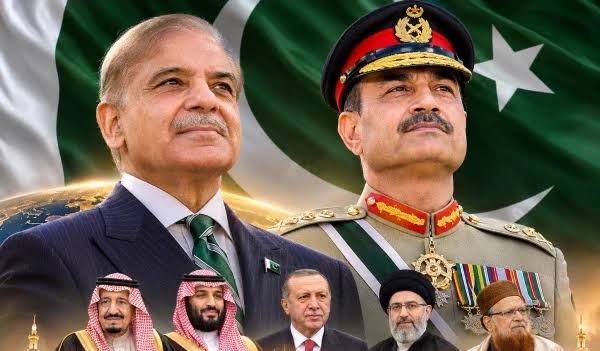
ISLAMABAD: Pakistan’s Field Marshal General Syed Asim Munir, Prime Minister Shehbaz Sharif and Turkish President Recep Tayyip Erdogan have reportedly secured prominent positions among the world’s 500 most influential leaders, according to a widely circulated graphic highlighting influential figures from across the globe.
The reported recognition has drawn attention to the growing strategic cooperation between Pakistan, Saudi Arabia and Turkiye, particularly in defence, regional security and diplomatic engagement.
The list also features Saudi Arabia’s leadership, including Custodian of the Two Holy Mosques King Salman bin Abdulaziz Al Saud and Crown Prince Mohammed bin Salman. Their inclusion highlights the Kingdom’s influential position in regional and international affairs.
Prominent Leaders Featured in the Ranking
According to the circulating graphic and accompanying information, several leading figures from the Muslim world have been highlighted for their political influence and contributions to international relations.
Saudi Arabia: King Salman bin Abdulaziz Al Saud and Crown Prince Mohammed bin Salman are featured for their leadership and influence in regional affairs, as well as Saudi Arabia’s strategic role in the proposed Makkah Defence Alliance.
Pakistan:Field Marshal General Syed Asim Munir and Prime Minister Shehbaz Sharif have been recognised for their respective roles in military leadership, government affairs, regional security and diplomatic relations. Pakistan’s counterterrorism efforts and defence cooperation have also been highlighted as important elements of its regional position.
Turkiye: President Recep Tayyip Erdogan has been included in recognition of Turkiye’s growing defence capabilities, expanding international partnerships and diplomatic influence across the Muslim world.
Growing Cooperation Among Muslim Nations
The reported ranking has also renewed discussions about the strategic importance of closer cooperation between Muslim-majority countries. Analysts believe that stronger partnerships between Pakistan, Saudi Arabia and Turkiye could have significant implications for regional security and international diplomacy.
The development comes following the Pakistan-Saudi Arabia Strategic Mutual Defence Agreement signed in September 2026, which marked an important step in strengthening defence relations between the two countries.
Cooperation involving Turkiye has also gained attention, particularly in areas such as defence production, drone technology, military expertise and regional security. These partnerships could create opportunities for the three countries to expand their strategic capabilities and strengthen their positions in international affairs.
The growing engagement is being viewed as part of broader efforts to develop stronger defence and diplomatic relationships across the Muslim world.
Pakistan’s Strategic Position Draws Attention
The reported inclusion of Pakistan’s civilian and military leadership has generated discussion about the country’s increasing importance in regional security and diplomatic affairs.
Pakistan maintains significant strategic relationships with Saudi Arabia and Turkiye, with cooperation extending across defence, trade, security and diplomatic initiatives.
The country’s military capabilities, geographical position and diplomatic engagement with regional partners have contributed to its importance in discussions concerning Middle Eastern, South Asian and Central Asian security.
The reported recognition has been welcomed by supporters as a positive development for Pakistan, particularly in highlighting the roles of its political and military leadership on the international stage.
However, the circulated ranking and its methodology require independent verification before the reported positions can be treated as an officially established global assessment.
Nevertheless, the development has brought renewed focus to the growing strategic relationships among Pakistan, Saudi Arabia and Turkiye and their potential influence on the evolving geopolitical landscape.
We welcome your contributions! Submit your blogs, opinion pieces, press releases, news story pitches, and news features to opinion@minutemirror.com.pk and minutemirrormail@gmail.com