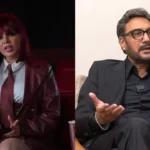
Summary
- Pakistani music star Atif Aslam has returned to the album format after an 18-year gap with his new project *Subah Aye Na*, arriving at a time when music consumption is increasingly shaped by algorithms, social media and short-form content.
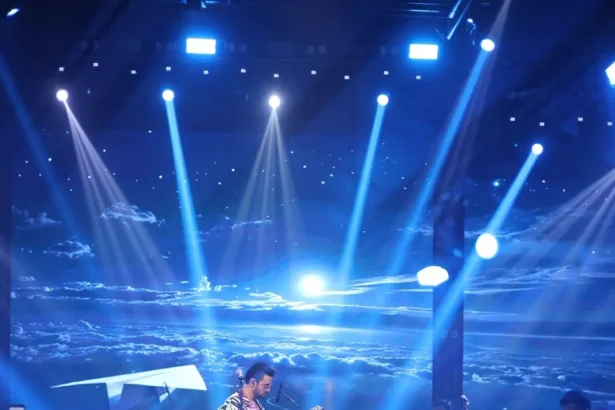
- At the promotional launch of *Subah Aye Na* at Karamax Studio in Karachi’s Korangi, Aslam reflected on his musical journey, artistic freedom and the changing way audiences discover and experience music.
- For Aslam, *Subah Aye Na* is ultimately an expression of artistic freedom rather than an attempt to satisfy an algorithm or predict what the audience wants.
Pakistani music star Atif Aslam has returned to the album format after an 18-year gap with his new project *Subah Aye Na*, arriving at a time when music consumption is increasingly shaped by algorithms, social media and short-form content.
At the promotional launch of *Subah Aye Na* at Karamax Studio in Karachi’s Korangi, Aslam reflected on his musical journey, artistic freedom and the changing way audiences discover and experience music. The singer, who rose to fame as the former lead vocalist of Jal – The Band through the hit song *Aadat*, also spoke about his connection with his fans, known as Aadeez, and why he believes genuine art should not be created according to formulas.
At the event, Aslam performed several of his most popular songs, including *Meri Zindagi Hai Tu*, *Woh Lamhe*, *Jalpari*, *Doorie*, *Hona Tha Pyar* and *Hum Kis Gali Ja Rahe Hain*. He also introduced audiences to newer tracks such as *Let’s Have Some Fun* and *Hoon Tere Liye*, before ending the performance with the album’s title track, *Subah Aye Na*.
Fahad Mustafa, Asim Azhar and Talha Anjum also joined him on stage. At Anjum’s request, Aslam performed verses from *Tere Liye*, featured in the 2010 Indian film *Prince*, alongside *O Mere Khuda*. The crowd later encouraged him to sing *Aadat*, prompting the singer to perform a few lines of the song before concluding the evening.
Speaking about his decision to release an album after nearly two decades, Aslam said he wanted to break away from the expectations that artists often place upon themselves. According to him, constantly observing what others are doing can lead artists to develop unwritten rules about the type of music they should make and the kind of work audiences will approve of.
He explained that his decision was not a deliberate act of rebellion but came from the same instinct that motivated him when he first entered music: the desire to challenge conventional sounds and experiment with different forms of expression.
For Aslam, creating *Subah Aye Na* was therefore more important than predicting how audiences would consume it. Whether listeners hear the complete album, select individual songs or connect with only a few tracks is secondary to the creative process itself.
The singer compared this approach with the work of legendary artists such as Pablo Picasso, pointing out that not every work by a celebrated artist becomes equally popular. A lack of mainstream recognition, he argued, does not necessarily reduce the artistic value of a creation.
Aslam also rejected the idea that successful or timeless music can be produced through a fixed formula. He believes audiences ultimately decide what resonates with them, making success both personal and unpredictable.
While acknowledging the growing influence of social media and algorithms, he said these platforms are not solely responsible for changing musical tastes. Short-form content has made listeners accustomed to consuming brief sections of songs, but meaningful and layered music still has an audience.
He pointed to Pakistani acts such as Bayaan and the continuing appreciation for poets including Mirza Ghalib and Faiz Ahmed Faiz as evidence that audiences still value depth, poetry and substance.
Aslam said he does not want to “conquer the world” through his music. Instead, he hopes his work can genuinely touch a smaller number of people. For him, even influencing a few listeners in a meaningful way represents success.
He concluded that artists should not create music by constantly calculating who might like it. Once approval becomes the primary goal, he believes art can lose its honesty. For Aslam, *Subah Aye Na* is ultimately an expression of artistic freedom rather than an attempt to satisfy an algorithm or predict what the audience wants.
We welcome your contributions! Submit your blogs, opinion pieces, press releases, news story pitches, and news features to opinion@minutemirror.com.pk and minutemirrormail@gmail.com