Summary
- The country’s leading music industry trade group, the Australian Recording Industry Association (ARIA), announced on Tuesday that AI-generated music tracks would no longer be eligible for the ARIA Charts.
- Musicians, songwriters and producers have urged governments to take steps to protect their creative work while criticising the use of AI-generated music without permission.
- The ARIA decision comes amid growing debate worldwide over the use of artificial intelligence in music and concerns among artists and rights holders about copyright, licensing and the use of creative work to develop AI-generated content.
Australian music charts have banned AI-generated music from the beginning of this week following controversy over an Australian DJ’s cover of Madonna’s “Like a Prayer”.
The country’s leading music industry trade group, the Australian Recording Industry Association (ARIA), announced on Tuesday that AI-generated music tracks would no longer be eligible for the ARIA Charts.
Only recordings in which AI is used in a supporting role will remain eligible, ARIA said. AI-generated music is growing in popularity, while major global record labels have been seeking new licensing arrangements to protect their extensive music catalogues. Artists and users have also called for measures to distinguish AI-generated material from human-composed music.
“The ARIA Charts will always remain a transparent measurement of the music Australia consumes, but a chart that rewards unlicensed AI output would undercut the very basis of the recorded music industry we exist to represent,” ARIA CEO Annabelle Herd said.
Popular songs and albums released on platforms including Apple Music and Spotify are monitored and collected by ARIA for its charts.
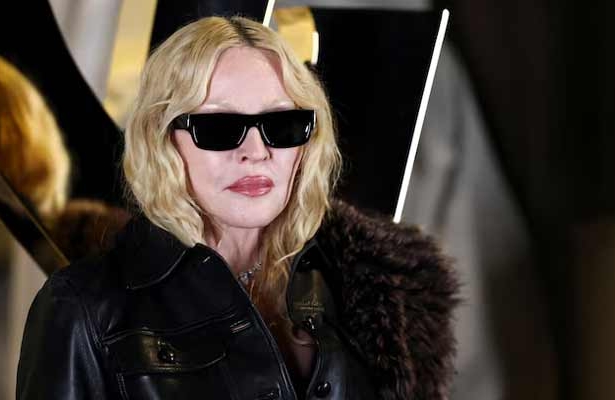
Several producers claimed that AI-generated music had been used in Queensland-based DJ Josh Fawaz’s cover of Madonna’s 1989 hit “Like a Prayer”. The song became one of the most-played tracks on Australian radio and reached No. 4 on two ARIA charts in July.
Fawaz said in response to comments from Thomas that he used AI “as a tool, it’s not that deep”. He added that he had been releasing music for a long time before the emergence of AI and wanted to give his listeners “good music”.
Representatives of Madonna did not immediately respond to a request for comment outside normal response hours. Musicians, songwriters and producers have urged governments to take steps to protect their creative work while criticising the use of AI-generated music without permission.
Mark Seymour, singer and guitarist of Australian rock band Hunters & Collectors, said companies were using artists’ creative work without payment or permission. He added that the value of artists’ creative investment should “never be threatened”.
Australian Prime Minister Anthony Albanese has assured artists that the government would take steps to protect ownership of their work.
The ARIA decision comes amid growing debate worldwide over the use of artificial intelligence in music and concerns among artists and rights holders about copyright, licensing and the use of creative work to develop AI-generated content.
We welcome your contributions! Submit your blogs, opinion pieces, press releases, news story pitches, and news features to opinion@minutemirror.com.pk and minutemirrormail@gmail.com