Summary
- Relations between Azerbaijan and Turkiye are facing renewed pressure following a dispute over headscarf restrictions in Azerbaijani schools and differences over Baku’s growing relationship with Israel.
- Turkish pro-government media have linked Azerbaijan’s school regulations to its relationship with Israel.
- Although the dispute has exposed differences over religion and foreign policy the countries’ close economic and regional links remain important factors in their relationship.
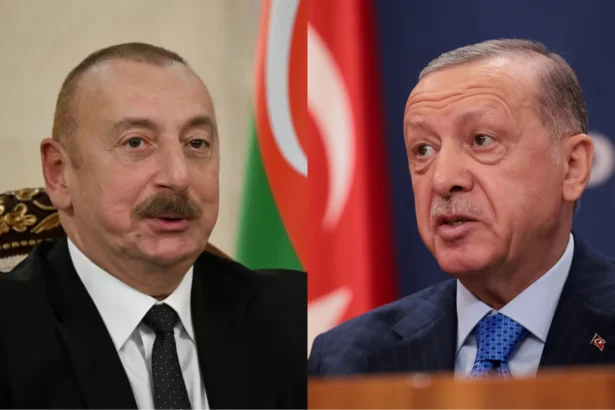
Relations between Azerbaijan and Turkiye are facing renewed pressure following a dispute over headscarf restrictions in Azerbaijani schools and differences over Baku’s growing relationship with Israel. The disagreements have exposed tensions between two countries that have long described their partnership through the slogan “one nation, two states.”
The latest controversy began after Azerbaijan revised its school uniform regulations restricting clothing considered incompatible with standard uniforms or the secular principles of education.
Oktay Saral a senior adviser to Turkish President Recep Tayyip Erdogan criticised the decision on social media, calling it unacceptable and arguing that religious headscarves should not become a barrier to education. He urged Azerbaijani authorities to reconsider the regulations.
Azerbaijan’s ruling Yeni Azerbaijan Party (YAP) responded by criticising Saral and lawmakers from Turkiye’s ruling Justice and Development Party (AKP). The party described their comments as irresponsible and accused critics of spreading misleading claims about Azerbaijan.
The dispute highlights differences between Azerbaijan’s secular political approach and the greater emphasis on religious identity under Erdogan’s leadership.
Baku’s close relationship with Israel has added another complication. Azerbaijan strengthened its defence cooperation with Israel before and during the 2020 Nagorno-Karabakh conflict with Armenia, receiving drones and other military equipment.
Turkiye, meanwhile has experienced a sharp deterioration in relations with Israel amid the Gaza war. Erdogan has accused Israel of genocide while Ankara has maintained contacts with Hamas representatives.
Turkish pro-government media have linked Azerbaijan’s school regulations to its relationship with Israel. Azerbaijan’s ruling party has rejected what it calls attempts to misrepresent its ties with the Israeli government.
Political analyst Fuad Shahbazov said changing geopolitical conditions across Eurasia had encouraged Azerbaijan to pursue a more pragmatic foreign policy and resist pressure including from its allies.
Despite the public disagreement both countries have substantial strategic and economic interests in maintaining their partnership. Energy cooperation is particularly important while Azerbaijan provides Turkiye with a significant connection to Central Asia and supports Ankara’s ambitions to become a major transit hub between Europe and Asia.
Turkish officials have also urged restraint. AKP deputy leader Kursad Zorlu said the two countries could resolve their disagreements within the family while Foreign Minister Hakan Fidan recently praised the enduring relationship between their leaders.
However, further friction emerged when Azerbaijan announced an international arrest warrant for Turkish journalist Celal Ciftci. Azerbaijani prosecutors accused him of calling for a coup and promoting religious extremism.
Although the dispute has exposed differences over religion and foreign policy the countries’ close economic and regional links remain important factors in their relationship.
We welcome your contributions! Submit your blogs, opinion pieces, press releases, news story pitches, and news features to opinion@minutemirror.com.pk and minutemirrormail@gmail.com