Summary
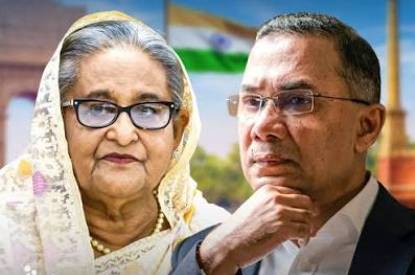
- DHAKA: Bangladesh has said Prime Minister Tarique Rahman will not travel to India until New Delhi takes steps to extradite former premier Sheikh Hasina, adding a new hurdle to efforts to improve relations between the two neighbouring countries.
- Karim said recent media interactions by Hasina had also affected the environment for closer ties.
- Karim also outlined Dhaka’s broader foreign-policy approach, saying the government would pursue a “Bangladesh First” policy focused on national sovereignty and non-interference while maintaining mutually beneficial relations with India and other countries.
DHAKA: Bangladesh has said Prime Minister Tarique Rahman will not travel to India until New Delhi takes steps to extradite former premier Sheikh Hasina, adding a new hurdle to efforts to improve relations between the two neighbouring countries.
The statement came on Sunday as speculation grew over a possible visit by Rahman to India next week. Bangladesh Foreign Ministry official A.K.M. Shahidul Karim said the government wanted the necessary conditions to be created before any such trip.
“We are of the view that a propitious environment needs to be created for the visit,” Karim told reporters, urging Indian authorities to speed up the extradition process involving Hasina and other fugitives.
Hasina fled to India after deadly anti-government protests toppled her government in 2024. She has since remained in the neighbouring country while facing a death sentence in Bangladesh following her conviction on crimes against humanity charges.
India has acknowledged receiving Bangladesh’s extradition request but has said the matter remains “under examination”.
Relations between Dhaka and New Delhi have remained strained since the dramatic political upheaval that ended Hasina’s long rule. The former prime minister, once regarded as a key partner of India, has continued to make public statements from India, further complicating diplomatic efforts.
Karim said recent media interactions by Hasina had also affected the environment for closer ties.
“But the process has been vitiated by Sheikh Hasina’s open media interactions, despite her being a convict in crimes against humanity,” he said.
The possibility of a Rahman visit had gained attention after Indian High Commissioner to Bangladesh Dinesh Trivedi met the Bangladeshi prime minister last week. Karim confirmed that officials from both countries had also remained in contact in recent weeks over the possibility of a visit.
Rahman assumed office in February and has already travelled to Malaysia and China. His decision not to make India his first overseas destination marked a departure from a longstanding pattern among Bangladeshi leaders.
Meanwhile, Hasina has said she intends to return to Bangladesh in December, even if she faces imprisonment.
Karim also outlined Dhaka’s broader foreign-policy approach, saying the government would pursue a “Bangladesh First” policy focused on national sovereignty and non-interference while maintaining mutually beneficial relations with India and other countries.
The latest development highlights how Hasina’s presence in India remains a major obstacle in the already delicate relationship between the two South Asian neighbours.
We welcome your contributions! Submit your blogs, opinion pieces, press releases, news story pitches, and news features to opinion@minutemirror.com.pk and minutemirrormail@gmail.com