Summary
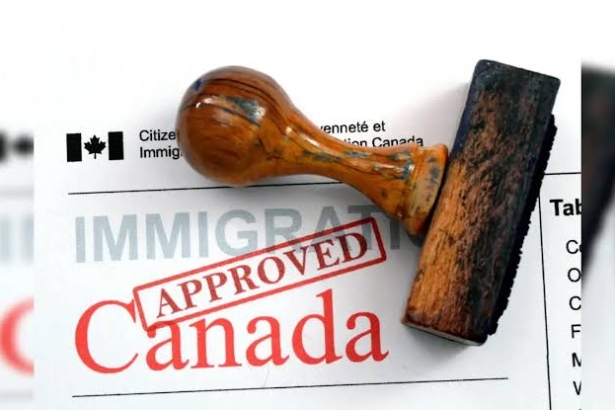
- OTTAWA/TORONTO: Canada has announced plans to make its Rural Community Immigration Pilot (RCIP) a permanent immigration programme, offering new opportunities for skilled foreign workers and international graduates seeking permanent residency (PR) in the country.
- The Rural and Northern Immigration Pilot, which operated between 2019 and 2024, involved more than 2,800 employers and helped over 12,500 applicants and their family members obtain permanent residency.
- Minister Lena Metlege Diab said rural communities were essential to Canada’s economy and that the permanent programme would address local employment needs while providing skilled newcomers with opportunities to build long-term futures.
OTTAWA/TORONTO: Canada has announced plans to make its Rural Community Immigration Pilot (RCIP) a permanent immigration programme, offering new opportunities for skilled foreign workers and international graduates seeking permanent residency (PR) in the country.
Immigration, Refugees and Citizenship Minister Lena Metlege Diab announced the decision on Monday, November 9, 2026, during a visit to Pictou County in Nova Scotia, according to an official statement published on the Immigration, Refugees and Citizenship Canada (IRCC) website.
The decision forms part of Canada’s Budget 2026 strategy to align immigration with the country’s economic priorities, particularly in smaller towns and rural areas struggling with persistent labour shortages.
Under the new arrangement, the government will initially retain all 14 communities currently participating in the pilot, with the possibility of expanding the programme to other locations in the future.
14 communities included in the programme
The selected locations are spread across several Canadian provinces. Ontario will have five participating communities: North Bay, Sudbury, Timmins, Sault Ste. Marie and Thunder Bay.
Nova Scotia will be represented by Pictou County, while Manitoba will include Steinbach, Altona/Rhineland and Brandon. Moose Jaw has been selected in Saskatchewan, while Claresholm will represent Alberta.
British Columbia will have three participating areas: West Kootenay, North Okanagan Shuswap and Peace Liard.
5,500 permanent residency places allocated
According to Canada’s 2027–2029 Immigration Levels Plan, the permanent rural immigration pathway has been allocated 5,500 admission spaces.
Applicants will need a valid employment offer from an employer designated by the relevant local economic development organisation. They must also obtain a recommendation from the participating community and fulfil the required standards for language proficiency, educational qualifications, professional experience and settlement funds.
Unlike broader immigration programmes, the RCIP follows an employer-led and community-based approach. Its objective is to connect skilled newcomers with local businesses while helping them and their families establish permanent roots in smaller communities.
The programme will prioritise industries facing workforce shortages, including healthcare, education, skilled trades, sales and service-related occupations.
Transition to the permanent programme
IRCC has also outlined the transition arrangements between the existing pilot and the new permanent pathway.
The current pilot will conclude on December 31, 2026, while the permanent programme is scheduled to begin on January 1, 2027.
Applications already submitted under the existing pilot will continue to be processed. Applicants holding community recommendations issued on or before December 31, 2026, must submit their permanent residency applications before their recommendations expire, using the existing application forms. Those receiving recommendations from January 1, 2027, onwards will be required to use the new forms.
Previous programmes show positive results
The permanent pathway builds on the outcomes of two earlier rural immigration initiatives.
The Rural and Northern Immigration Pilot, which operated between 2019 and 2024, involved more than 2,800 employers and helped over 12,500 applicants and their family members obtain permanent residency.
Meanwhile, the current RCIP, launched in January 2025, saw more than 1,950 employers designated by August 2026, generating over 4,700 job offers and community recommendations.
Minister Lena Metlege Diab said rural communities were essential to Canada’s economy and that the permanent programme would address local employment needs while providing skilled newcomers with opportunities to build long-term futures.
The announcement could offer Pakistani professionals and other international applicants another immigration option beyond the highly competitive Express Entry system, particularly for those willing to work and settle in smaller Canadian communities.
We welcome your contributions! Submit your blogs, opinion pieces, press releases, news story pitches, and news features to opinion@minutemirror.com.pk and minutemirrormail@gmail.com