Summary
- The new policy, introduced on July 1, aims to ensure that most newly registered vehicles in the city are electric by 2027.
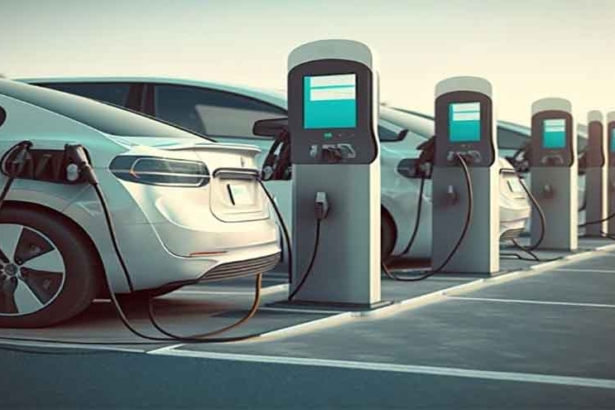
- Across several parts of Delhi, electric vehicle charging stations are becoming increasingly busy as more residents switch to battery powered scooters, cars and commercial vehicles.
- According to energy experts, electric vehicles represented around 12.7 percent of new vehicle sales in Delhi during the 2026 financial year, compared with the national average of 8.3 percent.
Delhi has launched one of India’s boldest electric vehicle plans as authorities step up efforts to reduce dangerous air pollution in the capital. The new policy, introduced on July 1, aims to ensure that most newly registered vehicles in the city are electric by 2027. Officials believe the move will improve air quality and reduce harmful emissions, although experts say its success will depend on expanding charging facilities and strengthening the electricity network.
Across several parts of Delhi, electric vehicle charging stations are becoming increasingly busy as more residents switch to battery powered scooters, cars and commercial vehicles. Even so, many drivers say the city still lacks enough charging points to support widespread use. Shyam Singh, who uses an electric scooter for work, said the existing infrastructure is not sufficient, especially for people who travel long distances. He explained that limited battery range and the shortage of charging stations remain major concerns for potential buyers.
Under the new policy, existing petrol and diesel vehicles will not be banned, but the government expects their numbers to decline over time as electric vehicles become more common. Buyers will receive financial incentives including subsidies, exemptions from registration fees and some road taxes. People who scrap older fuel powered vehicles will also qualify for additional cash rewards. Authorities estimate the policy will cost around 150 billion rupees and is designed to encourage faster adoption of cleaner transport across the city.
The plan focuses heavily on two and three wheelers, which make up nearly 70 percent of vehicles on Delhi’s roads. From 2027, all newly registered three wheelers and small commercial trucks must be electric. The same requirement will apply to newly registered two wheelers from the following year. Larger passenger cars and heavy vehicles running on conventional fuels will still be allowed for now.
Electric vehicles currently account for only about five percent of the nearly 8.7 million vehicles registered in Delhi. However, registrations have grown steadily over the past year, with more than 100,000 new electric vehicles added, most of them scooters and auto rickshaws. Experts say the latest policy sends a clear signal that the city is committed to reducing dependence on fossil fuel powered transport.
Energy specialists have described Delhi’s strategy as one of the most ambitious electric vehicle policies introduced by any Indian state. Jaideep Saraswat of the Vasudha Foundation said the firm deadlines make it clear that the transition to electric transport is unavoidable. He believes the policy will encourage both manufacturers and consumers to prepare for a future where electric vehicles dominate the market.
Delhi has struggled with severe air pollution for years, particularly during winter when smog often reaches hazardous levels. The city regularly experiences school closures, restrictions on construction and emergency health measures because of poor air quality. Vehicles contribute around one quarter of pollution across the National Capital Region, while two and three wheelers alone account for almost half of transport related emissions within the city.
Analysts say Delhi has already taken important steps toward cleaner transport in the past, including shifting many public vehicles to compressed natural gas. According to energy experts, electric vehicles represented around 12.7 percent of new vehicle sales in Delhi during the 2026 financial year, compared with the national average of 8.3 percent. They believe the latest policy builds on that progress by linking financial incentives with strict registration deadlines for conventional vehicles.
Despite the optimism, several challenges remain. Some residents are still hesitant to switch because they worry about battery life, charging convenience and the effect of seasonal flooding on electric vehicles. Others believe more advanced and affordable models will become available in the coming years, making it worthwhile to delay their purchase.
Experts also stress that expanding charging infrastructure is only part of the solution. Delhi must increase the use of renewable energy to power electric vehicles and modernize its electricity grid to handle rising demand. Fast charging stations, battery storage systems and better electricity management will all be necessary to support large scale adoption. Specialists also believe cooperation with neighboring states will be essential to reduce emissions from the wider power network and create a cleaner transport system for the entire region.
We welcome your contributions! Submit your blogs, opinion pieces, press releases, news story pitches, and news features to opinion@minutemirror.com.pk and minutemirrormail@gmail.com