Summary
- Located in the historic city of Thatta, Sindh, the Shah Jahan Mosque is one of South Asia’s most impressive examples of Mughal architecture.
- The mosque was built by Mughal Emperor Shah Jahan between 1644 and 1647 as a gift to the people of Sindh. The nearly 400-year old building is known for its large number of domes and unusual architectural style.
- While many famous Mughal buildings are known for red stone and white marble the Shah Jahan Mosque features beautiful blue and white glazed tiles. The detailed tilework reflects the artistic traditions of Iran and Hala a historic city in Sindh known for its crafts.
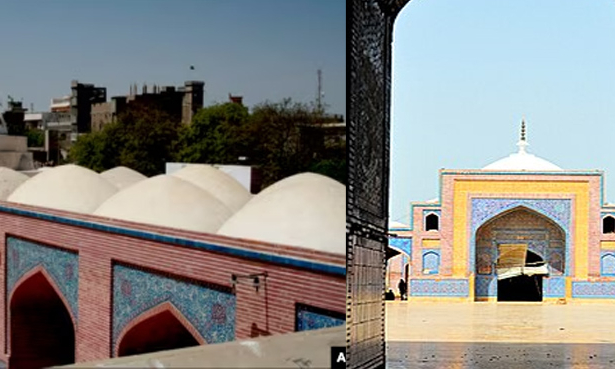
Located in the historic city of Thatta, Sindh, the Shah Jahan Mosque is one of South Asia’s most impressive examples of Mughal architecture. Its unique design beautiful tiles and remarkable sound system continue to attract visitors.
The mosque was built by Mughal Emperor Shah Jahan between 1644 and 1647 as a gift to the people of Sindh. The nearly 400-year old building is known for its large number of domes and unusual architectural style.
Unlike many other Mughal mosques the Shah Jahan Mosque does not have traditional tall minarets. It is famous for its many domes with local traditions often saying that the mosque has 99 domes. Interestingly some people claim that the number can appear to be 100 when counted from certain points.
One of the mosque’s most fascinating features is its natural acoustics. A person can reportedly speak softly near the prayer area and have their voice heard clearly in another part of the mosque.
This is possible because of the way the walls domes and other structures were designed to reflect sound.
The mosque was built long before modern speakers and sound systems yet its clever design allows sound to travel across large sections of the building.
Over the centuries the historic mosque has gone through different stages of repair and preservation. During the era of former Prime Minister Zulfikar Ali Bhutto, efforts were also made to improve and protect the historic site.
The mosque is also known for its huge capacity.
It is believed that around 40,000 to 50,000 people can gather there for Friday prayers.
Its decoration is another major attraction. While many famous Mughal buildings are known for red stone and white marble the Shah Jahan Mosque features beautiful blue and white glazed tiles. The detailed tilework reflects the artistic traditions of Iran and Hala a historic city in Sindh known for its crafts.
With its centuries old history striking domes, colorful tiles and remarkable acoustics the Shah Jahan Mosque remains a remarkable symbol of Sindh’s rich cultural and architectural heritage.
We welcome your contributions! Submit your blogs, opinion pieces, press releases, news story pitches, and news features to opinion@minutemirror.com.pk and minutemirrormail@gmail.com