Summary
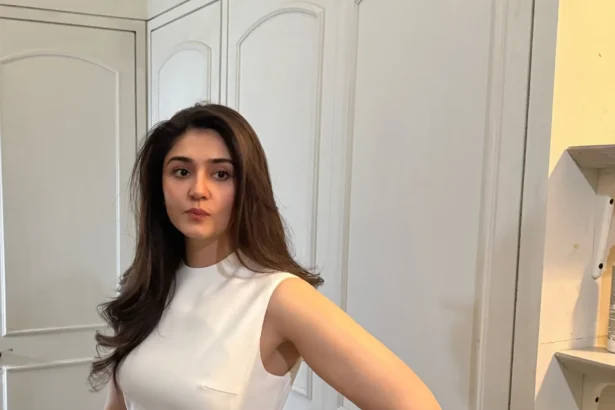
- Pakistani actor Durefishan Saleem has responded to the social media debate surrounding a recent episode of drama serial Dar-e-Nijaat, clarifying the message behind a scene in which her character refuses to wear a sleeveless dress because she is no longer comfortable with such clothing.
- Saleem said she viewed faith as an internal journey that could also be reflected through outward decisions, including an individual’s choice of clothing.
- She emphasised that every individual could have a different relationship with faith and modesty, and personal decisions about clothing should not become grounds for judgment.
Pakistani actor Durefishan Saleem has responded to the social media debate surrounding a recent episode of drama serial Dar-e-Nijaat, clarifying the message behind a scene in which her character refuses to wear a sleeveless dress because she is no longer comfortable with such clothing.
The scene, featuring Saleem as Zaryab Habib, sparked widespread discussion online, with viewers sharing differing opinions about the character’s changing approach to modesty and faith.
Taking to Instagram on Sunday, the actor explained that the storyline was intended to portray Zaryab’s personal spiritual transformation and her right to make choices as she navigates changes in her beliefs.
Saleem said she viewed faith as an internal journey that could also be reflected through outward decisions, including an individual’s choice of clothing.
She stressed that every woman should have the freedom to decide how she dresses, regardless of the style of clothing she prefers.
According to the actor, the bigger concern was not Zaryab’s decision to stop wearing sleeveless outfits but the tendency of people to question, scrutinise and judge women’s personal choices instead of respecting their independence.
Describing the drama as Zaryab’s individual story, Saleem said the character was deliberately portrayed with imperfections, weaknesses and contradictions that reflected her experiences as a woman.
She acknowledged that viewers were free to agree or disagree with the character’s decisions but questioned why a fictional storyline had turned into such an extensive public debate.
The actor remarked that not every character development required lengthy discussions, public scrutiny or a final verdict from social media users.
Saleem also clarified that her personal preferences were different from those of her on-screen character. She said she remained comfortable wearing sleeveless outfits and had her own understanding of modesty.
She emphasised that every individual could have a different relationship with faith and modesty, and personal decisions about clothing should not become grounds for judgment.
Concluding her message, Saleem said her faith did not give her the authority to judge others, just as other people’s beliefs did not give them the right to judge her.
The debate surrounding Dar-e-Nijaat has once again highlighted how fictional characters, particularly those exploring questions of faith, identity and personal freedom, can spark wider conversations among Pakistani television audiences.
We welcome your contributions! Submit your blogs, opinion pieces, press releases, news story pitches, and news features to opinion@minutemirror.com.pk and minutemirrormail@gmail.com