Summary
- KINSHASA: The Democratic Republic of Congo is facing a devastating Ebola outbreak, with reported infections surpassing 7,000 and nearly 3,400 deaths, according to figures released by health authorities.
- The current outbreak is reportedly linked to the Bundibugyo species of Ebola virus, according to the information provided by Congolese authorities.
- With thousands of cases already reported and the death toll approaching 3,400, the Ebola outbreak remains a major public health emergency.
KINSHASA: The Democratic Republic of Congo is facing a devastating Ebola outbreak, with reported infections surpassing 7,000 and nearly 3,400 deaths, according to figures released by health authorities.
The outbreak, described by officials as one of the country’s most severe Ebola emergencies, has spread across seven provinces, raising concerns about the growing pressure on healthcare services and efforts to contain the deadly virus.
According to the latest figures cited by Congolese authorities, 7,022 Ebola cases have been reported so far. The outbreak has claimed 3,398 lives, while 1,671 people have reportedly recovered from the disease.
The figures underline the scale of the health crisis, particularly in regions already facing insecurity, displacement and limited access to medical facilities.
Outbreak spreads to seventh province
The outbreak was first detected in May in the northeastern province of Ituri. Since then, infections have spread to other areas, including regions affected by conflict and instability.
Authorities confirmed Ebola infections in South Ubangi province this week, making it the seventh province affected by the outbreak.
Ituri has recorded the highest number of cases, according to the reported data. The continued spread of the virus has complicated efforts to identify infections, isolate patients and protect healthcare workers.
The reopening of schools following summer holidays has also raised concerns in affected communities. Reports of possible Ebola infections at some educational institutions in Ituri have heightened anxiety among parents, teachers and medical staff.
Health officials are closely monitoring the situation to prevent further transmission, particularly in places where children gather in large numbers.
WHO warns of shortage of resources
The World Health Organization has warned that response efforts are facing shortages of trained medical personnel, financial resources and support from humanitarian partners.
The lack of adequate resources could make it more difficult to treat patients, trace contacts and maintain infection-control measures in affected communities.
The current outbreak is reportedly linked to the Bundibugyo species of Ebola virus, according to the information provided by Congolese authorities.
Unlike some other Ebola strains, there is currently no approved vaccine or specific treatment available for this virus type, making early detection, supportive medical care and strict infection-control practices especially important.
How Ebola spreads
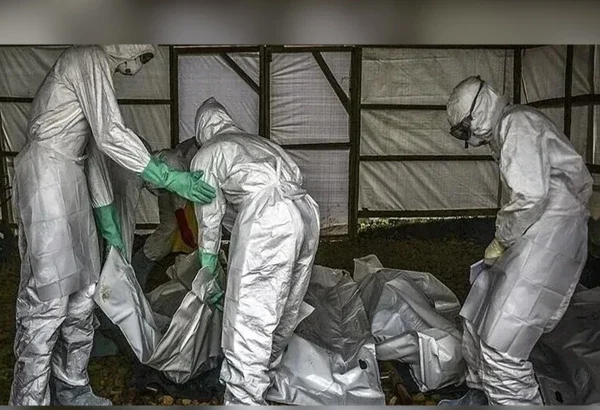
Ebola is a highly dangerous viral disease that can spread through direct contact with the blood or other bodily fluids of an infected person.
The virus can cause severe illness, including fever, weakness, vomiting, diarrhoea and, in serious cases, internal and external bleeding. Organ failure may also occur as the disease progresses.
Healthcare workers and family members caring for infected patients face particular risks if appropriate protective measures are not followed.
Authorities and international health organizations are continuing treatment, surveillance and prevention activities in affected areas.
These efforts include strengthening medical facilities, improving public awareness and encouraging communities to report suspected cases promptly.
Growing humanitarian concerns
The outbreak is unfolding against a backdrop of insecurity and humanitarian challenges in parts of Congo. Conflict and displacement can make it harder for health teams to reach vulnerable populations and maintain consistent medical services.
The spread into additional provinces has increased the urgency of coordinated action between the Congolese government, international agencies and local communities.
Health officials are urging residents to follow safety guidance and cooperate with disease-control teams.
With thousands of cases already reported and the death toll approaching 3,400, the Ebola outbreak remains a major public health emergency.
Authorities face the difficult task of containing transmission while providing care to those infected and protecting communities from further spread.
We welcome your contributions! Submit your blogs, opinion pieces, press releases, news story pitches, and news features to opinion@minutemirror.com.pk and minutemirrormail@gmail.com