Summary
- As Europe continues to battle this historic heatwave, governments and emergency agencies remain on high alert, closely monitoring weather conditions and implementing measures to protect communities from the potentially life-threatening impacts of extreme heat.
- A severe heatwave continues to grip large parts of Europe, with soaring temperatures breaking records and prompting authorities to issue urgent weather warnings.
- As Europe continues to battle this historic heatwave, governments and emergency agencies remain on high alert, closely monitoring weather conditions and implementing measures to protect communities from the potentially life-threatening impacts of extreme heat.
A severe heatwave continues to grip large parts of Europe, with soaring temperatures breaking records and prompting authorities to issue urgent weather warnings. The extreme weather has affected millions of people across the continent, disrupting daily life and raising serious concerns about public health and safety.
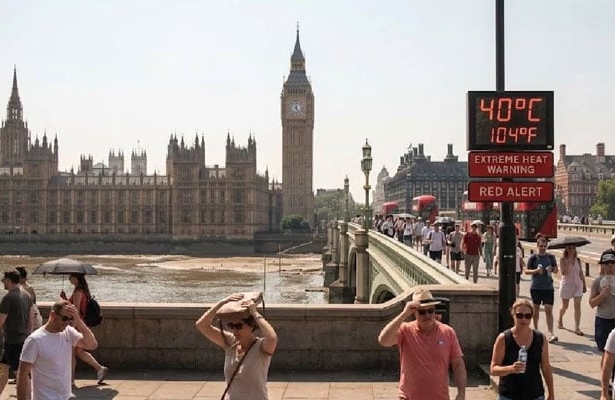
According to reports, the United Kingdom has recorded its third consecutive hottest day for the month of June. Citing the country’s Meteorological Office, the reports stated that temperatures in England reached as high as 36.9°C, making it one of the hottest June days ever recorded. Forecasters have also warned that temperatures are expected to climb even higher in the coming days, increasing the risk of heat-related illnesses and putting additional pressure on healthcare services.
A Red Heat Alert remains in effect across most parts of the United Kingdom, with authorities urging residents to stay indoors during the hottest hours of the day, remain hydrated, and avoid unnecessary outdoor activities. Vulnerable groups, including the elderly, young children, and individuals with underlying health conditions, have been advised to take extra precautions as the extreme temperatures persist.
Meanwhile, the Netherlands has issued its first-ever Red Heat Alert, highlighting the unprecedented nature of the current weather conditions. Meteorologists have warned that temperatures in the country could reach 40°C, an exceptionally high level for the region. In response to the extreme heat, many schools across the Netherlands have been closed to protect students and staff from dangerous weather conditions. Authorities are also encouraging employers to allow flexible working arrangements where possible and advising the public to avoid prolonged exposure to direct sunlight.
Reports further indicate that around 150 million people across Europe could experience temperatures exceeding 35°C today. Countries throughout Western, Central, and Southern Europe are facing exceptionally hot weather, with emergency services preparing for increased demand as the heatwave continues.
Scientists have described the ongoing heatwave as one of the worst ever experienced in Europe. Climate experts warn that such extreme weather events are becoming more frequent and more intense due to global climate change. Rising global temperatures have increased the likelihood of prolonged heatwaves, leading to higher health risks, wildfires, droughts, and significant strain on infrastructure and energy systems.
Health officials across Europe are urging people to drink plenty of water, stay in cool or air-conditioned environments whenever possible, wear lightweight clothing, and regularly check on elderly relatives and neighbors. Authorities are also advising the public to remain informed through official weather updates and follow all safety recommendations.
As Europe continues to battle this historic heatwave, governments and emergency agencies remain on high alert, closely monitoring weather conditions and implementing measures to protect communities from the potentially life-threatening impacts of extreme heat.
A severe heatwave continues to grip large parts of Europe, with soaring temperatures breaking records and prompting authorities to issue urgent weather warnings. The extreme weather has affected millions of people across the continent, disrupting daily life and raising serious concerns about public health and safety.
According to reports, the United Kingdom has recorded its third consecutive hottest day for the month of June. Citing the country’s Meteorological Office, the reports stated that temperatures in England reached as high as 36.9°C, making it one of the hottest June days ever recorded. Forecasters have also warned that temperatures are expected to climb even higher in the coming days, increasing the risk of heat-related illnesses and putting additional pressure on healthcare services.
A Red Heat Alert remains in effect across most parts of the United Kingdom, with authorities urging residents to stay indoors during the hottest hours of the day, remain hydrated, and avoid unnecessary outdoor activities. Vulnerable groups, including the elderly, young children, and individuals with underlying health conditions, have been advised to take extra precautions as the extreme temperatures persist.
Meanwhile, the Netherlands has issued its first-ever Red Heat Alert, highlighting the unprecedented nature of the current weather conditions. Meteorologists have warned that temperatures in the country could reach 40°C, an exceptionally high level for the region. In response to the extreme heat, many schools across the Netherlands have been closed to protect students and staff from dangerous weather conditions. Authorities are also encouraging employers to allow flexible working arrangements where possible and advising the public to avoid prolonged exposure to direct sunlight.
Reports further indicate that around 150 million people across Europecould experience temperatures exceeding 35°C today. Countries throughout Western, Central, and Southern Europe are facing exceptionally hot weather, with emergency services preparing for increased demand as the heatwave continues.
Scientists have described the ongoing heatwave as one of the worst ever experienced in Europe. Climate experts warn that such extreme weather events are becoming more frequent and more intense due to global climate change. Rising global temperatures have increased the likelihood of prolonged heatwaves, leading to higher health risks, wildfires, droughts, and significant strain on infrastructure and energy systems.
Health officials across Europe are urging people to drink plenty of water, stay in cool or air-conditioned environments whenever possible, wear lightweight clothing, and regularly check on elderly relatives and neighbors. Authorities are also advising the public to remain informed through official weather updates and follow all safety recommendations.
As Europe continues to battle this historic heatwave, governments and emergency agencies remain on high alert, closely monitoring weather conditions and implementing measures to protect communities from the potentially life-threatening impacts of extreme heat.
We welcome your contributions! Submit your blogs, opinion pieces, press releases, news story pitches, and news features to opinion@minutemirror.com.pk and minutemirrormail@gmail.com