Summary
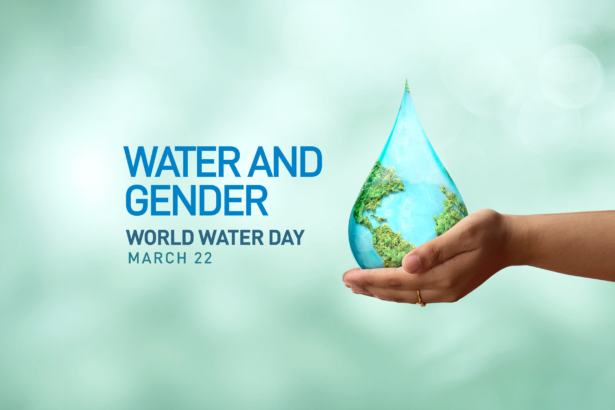
- LAHORE: The growing impact of water insecurity and climate change on women took center stage at a dialogue titled “Women and Water,” jointly organized by Women in Struggle for Empowerment (WISE) and the University of Home Economics, Lahore.
- She encouraged interdisciplinary dialogue and collaborative research, noting that adopting a gender perspective in water management leads to more effective identification of challenges and practical solutions, particularly as women remain the primary managers of household water resources.
- The participants agreed that addressing Pakistan’s growing water crisis requires policies that not only strengthen water management but also recognize the vital role of women in ensuring sustainable and equitable access to this essential resource.
LAHORE: The growing impact of water insecurity and climate change on women took center stage at a dialogue titled “Women and Water,” jointly organized by Women in Struggle for Empowerment (WISE) and the University of Home Economics, Lahore. The event brought together academics, development professionals, and civil society representatives to advocate for inclusive and gender-responsive water governance in Pakistan.
Addressing the gathering, Vice Chancellor of the University of Home Economics, Prof. Dr. Zaib-un-Nisa, underscored the urgent need to tackle water pollution, plastic waste, and inadequate water treatment systems. She stressed that sustainable solutions require greater investment in scientific water management, wider adoption of rainwater harvesting, improved household water storage, advanced recycling technologies, and university-led awareness campaigns to encourage responsible water use.
Executive Director of WISE, Bushra Khaliq, said that Pakistan’s water challenges cannot be effectively addressed without recognizing their disproportionate impact on women and girls, who often bear the greatest burden of water scarcity. She emphasized the importance of drawing lessons from organizations working directly in urban water management and called for stronger collaboration among government institutions, academia, civil society, and local communities. She also urged policymakers to ensure women’s voices, experiences, and leadership are fully integrated into water governance at every level.
Speaking on the occasion, Dr. Iram Rubab, Head of the Sociology Department at the University of Home Economics, described water as a multidimensional issue linked to health, agriculture, family welfare, livelihoods, sociology, and environmental sustainability. She encouraged interdisciplinary dialogue and collaborative research, noting that adopting a gender perspective in water management leads to more effective identification of challenges and practical solutions, particularly as women remain the primary managers of household water resources.
The participants agreed that addressing Pakistan’s growing water crisis requires policies that not only strengthen water management but also recognize the vital role of women in ensuring sustainable and equitable access to this essential resource.
We welcome your contributions! Submit your blogs, opinion pieces, press releases, news story pitches, and news features to opinion@minutemirror.com.pk and minutemirrormail@gmail.com