Summary
- As artificial intelligence continues to transform the entertainment industry, actor Faiza Hasan has raised concerns about the growing inclusion of AI-related clauses in production contracts, urging fellow artists to carefully review agreements before signing them.
- Taking to social media, Hasan warned actors to protect their AI rights and remain vigilant about contractual terms that could potentially grant production houses access to their likeness, voice, or digital identity.
- As AI continues to reshape creative industries, Hasan’s message serves as a reminder that artists must remain informed about the rights they may be signing away.
As artificial intelligence continues to transform the entertainment industry, actor Faiza Hasan has raised concerns about the growing inclusion of AI-related clauses in production contracts, urging fellow artists to carefully review agreements before signing them.
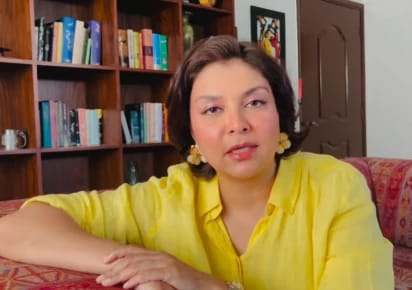
Taking to social media, Hasan warned actors to protect their AI rights and remain vigilant about contractual terms that could potentially grant production houses access to their likeness, voice, or digital identity. She stressed that performers must think carefully about the long-term implications of such clauses, particularly as AI technology becomes increasingly capable of replicating human appearances and voices.
In a video message, Hasan encouraged actors to thoroughly examine contracts issued by production houses, television channels, and private producers. She urged artists to pay close attention to any sections relating to artificial intelligence and digital rights, noting that many performers may not fully understand the potential consequences of what they are agreeing to.
The actor expressed concern that certain AI provisions are being included in agreements despite having little relevance to the work itself. According to Hasan, some clauses appear vague and difficult to interpret, raising questions about how they could be applied in the future. She cautioned that unclear language may eventually lead to disputes or legal complications, particularly if performers unknowingly surrender rights over their digital likeness.
Hasan also advised fellow actors to seek legal guidance before signing contracts containing AI-related terms. She specifically recommended consulting legal experts or approaching the Actors Collective of Pakistan (ACT) for advice, arguing that some of the clauses currently appearing in contracts may not serve the best interests of artists.
While highlighting the issue, Hasan clarified that her comments were not directed at any particular production company or television network. Instead, she described her remarks as a broader awareness message intended to encourage performers to protect their professional rights as technology continues to evolve.
Beyond contractual concerns, Hasan also reflected on the wider impact AI could have on the entertainment industry. She warned that excessive reliance on artificial intelligence for creative work, promotional campaigns, or even performance-related tasks could eventually affect employment opportunities for actors and other industry professionals.
A key part of her message centred on consent. Hasan emphasised that any use of an actor’s image, voice, or likeness should require informed consent, a clear explanation of how the material will be used, and a specific timeframe governing that use. She argued that performers should have complete clarity regarding any digital reproduction of their identity.
Her comments arrive at a time when debates surrounding AI and performers’ rights are taking place across entertainment industries worldwide. From Hollywood actors’ unions to creative organisations in other countries, concerns over ownership, consent, and digital replication have become increasingly prominent.
The actor’s warning was met with support from fans and industry colleagues, many of whom praised her for highlighting an issue that could have significant consequences for performers in the years ahead. As AI continues to reshape creative industries, Hasan’s message serves as a reminder that artists must remain informed about the rights they may be signing away.