

Summary
- French state schools are losing wealthier families to private ones, as falling standards, strikes and tight budgets push parents out.
- Why French state schools are struggling For generations, public schools stood for the republican ideal of liberty, equality and fraternity, offering rich and poor children alike a strong education.
- Experts blame a swelling pension bill for the troubles of French state schools.
French state schools are losing wealthier families to private ones, as falling standards, strikes and tight budgets push parents out.
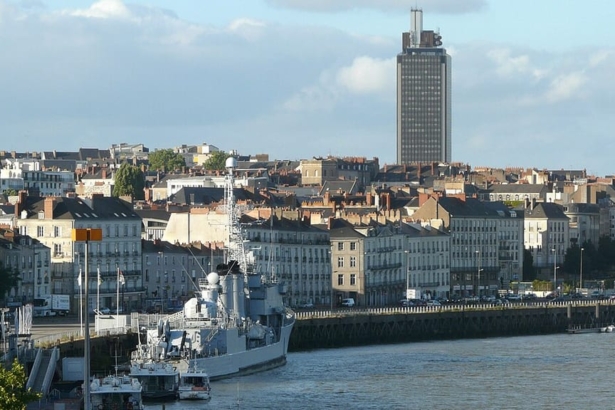
Clemence Remy moved to Nantes in 2020 and sent her two daughters to the local state school. The teachers were good, she said, but repeated staff strikes, often called at the last minute, forced her to take time off work again and again. Eventually, she moved the girls to a private school.
“School is an institution we should be able to rely on,” Remy said. “In the end, you realise you can’t rely on the system.”
Such frustrations have helped fuel some of the most violent protests France has seen in decades. They started last month at high schools in the poor northern suburbs of Paris. Anger there over missing teachers and shabby buildings soon spread into a nationwide movement protesting inequality, thin public spending and declining standards.
Why French state schools are struggling
For generations, public schools stood for the republican ideal of liberty, equality and fraternity, offering rich and poor children alike a strong education. However, results have slipped for years. In maths and reading, French 15-year-olds now score at a record low, far under the OECD average, after a steep fall since 2003, the 2025 PISA results showed.
In the 2024/25 school year, state secondary schools could not staff nearly 10% of teaching hours, close to half a day of lessons each week. Three quarters of that gap came from absent teachers who were never replaced. Moreover, between 10% and 20% of school buildings are in significantly worse condition, a 2025 report found.
Experts blame a swelling pension bill for the troubles of French state schools. The 2027 education budget stands at 64 billion euros, and pensions for teachers add another 28% on top. Total state spending on pensions will reach 436 billion euros next year, or 14% of economic output. Over two decades, it has grown faster than any other area of public spending, while education spending has slipped.
Erwann Tison, an economist at the Institut de l’Entreprise, said pension costs eat into the money left for schools. As a result, France pays young teachers below the OECD average, which feeds frustration and strikes. Nobel-winning economist Paul Krugman wrote that France is “effectively handing over large subsidies to older French.”
The pull of private schools
Most private schools in France work under contract with the state, and nearly all are Catholic. They control their own staffing and admissions. The state pays their teachers, while fees cover other costs. Because they keep more substitute teachers, strikes and absences hit them less.
These schools, numbering more than 7,500, teach over 2 million children, which is 17.6% of all pupils. Children from very advantaged families made up 40.2% of their pupils in 2021, up from 26.4% in 2000. Today, over half come from advantaged backgrounds, compared with under a third in state schools.
Louis Chauvel, a sociologist at the University of Luxembourg, put it simply. “Fifty years ago, ambitious families aimed for the public sector,” he said. Virginie Durin, who heads Apel, the main association of parents at Catholic schools, said many families make big sacrifices to pay fees.
In Nantes, 38% of pupils attend private schools. Remy pays 191 euros a month per child and admits private schooling is not for everyone. Still, she has no regrets about leaving French state schools behind.
We welcome your contributions! Submit your blogs, opinion pieces, press releases, news story pitches, and news features to opinion@minutemirror.com.pk and minutemirrormail@gmail.com