Summary
- Sui Northern Gas Pipelines Limited (SNGPL) has proposed raising its average prescribed price to Rs1,712.40 per million British thermal units (MMBtu), from Rs1,702.
- Sui Southern Gas Company (SSGC) has sought a larger increase of Rs366.75 per MMBtu, proposing to raise its average prescribed price to Rs2,071.75.
- SNGPL has included Rs60.147 billion in liquefied natural gas (LNG) service costs in its petition, estimating the cost of LNG services at Rs471.16 per MMBtu.
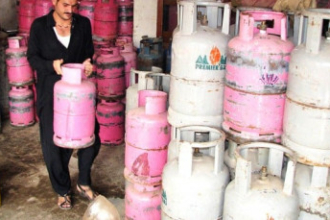
ISLAMABAD: Two gas utilities have approached the Oil and Gas Regulatory Authority (OGRA) with separate petitions seeking higher average prescribed prices for the current fiscal year, with the proposed increases to take effect retrospectively from July 1.
Sui Northern Gas Pipelines Limited (SNGPL) has proposed raising its average prescribed price to Rs1,712.40 per million British thermal units (MMBtu), from Rs1,702. The increase is Rs10.40 per MMBtu, although the company has described it as Rs10.
Sui Southern Gas Company (SSGC) has sought a larger increase of Rs366.75 per MMBtu, proposing to raise its average prescribed price to Rs2,071.75.
SNGPL has included Rs60.147 billion in liquefied natural gas (LNG) service costs in its petition, estimating the cost of LNG services at Rs471.16 per MMBtu.
The company said limited availability of locally produced gas during the winter would require additional supplies to meet demand. It estimated that 16 LNG cargoes would be needed during the season.
Both utilities have cited higher international crude oil prices as a factor behind their requests, arguing that rising oil prices would also increase gas costs.
The petitions come as Pakistan faces declining domestic gas production and growing reliance on imported LNG, leaving the energy sector exposed to international price fluctuations and supply disruptions. Uncertainty over shipments from Qatar has added to concerns about securing sufficient supplies ahead of winter.
Authorities have already introduced restrictions on domestic gas supplies. In September, household consumers were limited to designated morning, afternoon and evening cooking hours because the system could not meet round-the-clock demand.
The government is also preparing a winter gas management plan for November 2026 to February 2027. Under the proposed plan, domestic consumers would receive priority, while supplies to industry, captive power plants, fertiliser producers and compressed natural gas (CNG) stations could be curtailed in the event of severe shortages or inadequate LNG deliveries.
The Petroleum Division has estimated that 24 LNG cargoes would be needed to meet winter demand on the SNGPL network, including supplies for households and power generation. This is higher than the 16 cargoes estimated by SNGPL in its petition.
The sector is also facing mounting financial liabilities. Gas-sector circular debt rose by Rs344 billion to Rs3.631 trillion by June 30, 2026, according to figures presented by the Petroleum Division in the National Assembly.
OGRA will hold hearings on the latest petitions before making its determination. The proposed prescribed prices are not consumer tariffs; any change in the rates paid by households and businesses would require a subsequent government decision and notification.
We welcome your contributions! Submit your blogs, opinion pieces, press releases, news story pitches, and news features to opinion@minutemirror.com.pk and minutemirrormail@gmail.com