Summary
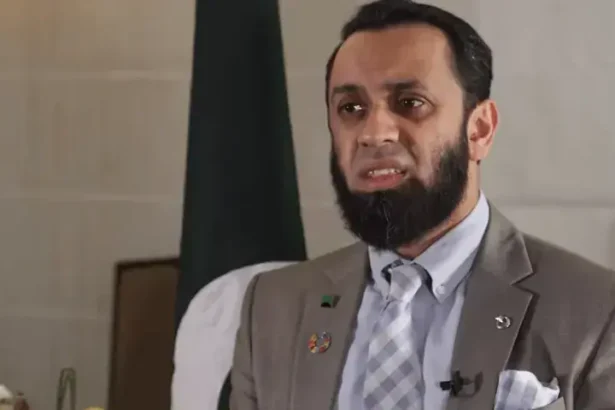
- Information Minister Attaullah Tarar said on Monday that the government is reviewing austerity measures previously introduced to conserve fuel and reduce the financial impact of rising energy costs.
- Speaking at a press briefing alongside Information Technology Minister Shaza Fatima Khawaja and Petroleum Minister Ali Pervaiz Malik, Tarar said Prime Minister Shehbaz Sharif had directed officials to consult on which measures should be reinstated amid renewed tensions in the Middle East.
- Petroleum Minister Ali Pervaiz Malik said the government was working with private oil refineries to maintain fuel supplies in the coming months and prepare for potential disruptions to shipping routes.
Information Minister Attaullah Tarar said on Monday that the government is reviewing austerity measures previously introduced to conserve fuel and reduce the financial impact of rising energy costs.
Speaking at a press briefing alongside Information Technology Minister Shaza Fatima Khawaja and Petroleum Minister Ali Pervaiz Malik, Tarar said Prime Minister Shehbaz Sharif had directed officials to consult on which measures should be reinstated amid renewed tensions in the Middle East.
Some austerity measures introduced earlier this year included a 50 per cent reduction in fuel allowances for official vehicles, cuts in lawmakers’ salaries and partial work-from-home arrangements for public-sector employees. Tarar said some measures, including restrictions on market timings, were still in place.
He said the government was assessing the previous measures in light of the current situation and that a decision on their possible revival would be made soon.
The earlier austerity package was largely withdrawn on June 19, although market-timing restrictions remained in effect. The government had also considered bringing back fuel conservation measures in July as international energy prices came under pressure.
The latest review comes as renewed conflict in the Middle East has disrupted oil supply routes and pushed global fuel prices higher. Concerns have also increased over shipping through the Strait of Hormuz and Bab al-Mandab, both of which are crucial routes for global energy supplies.
Pakistan’s domestic fuel prices have also risen sharply, with petrol currently priced at Rs375.82 per litre and high-speed diesel at Rs403.32 per litre.
Meanwhile, the government has launched a targeted fuel relief scheme for owners of motorcycles, rickshaws, Qingqi vehicles and cars with engines up to 800cc. Eligible consumers will receive relief of Rs100 per litre.
Tarar said Prime Minister Shehbaz Sharif had directed Deputy Prime Minister and Foreign Minister Ishaq Dar to ensure that public transport fares did not increase following the implementation of the relief package.
A steering committee overseeing the initiative will include the chief secretaries of all four provinces, Azad Jammu and Kashmir and Gilgit-Baltistan. Tarar said a dedicated war room and call centre had also been established to monitor the scheme and address issues.
Petroleum Minister Ali Pervaiz Malik said the government was working with private oil refineries to maintain fuel supplies in the coming months and prepare for potential disruptions to shipping routes.
Malik said the government was also working on strategic petroleum reserves and bonded fuel arrangements to strengthen the country’s ability to respond to future supply shocks.
He estimated that the targeted relief scheme would cost the federal government around Rs25 billion per month. The government and Finance Ministry have assured that funding arrangements will be made to sustain the relief measures.
We welcome your contributions! Submit your blogs, opinion pieces, press releases, news story pitches, and news features to opinion@minutemirror.com.pk and minutemirrormail@gmail.com