Summary
- The Gulf budget deficit could reach $475 billion by 2030 as the war on Iran drains the public finances of Gulf governments across the region.
- They may shift if oil prices or the war change course, so readers should treat the Gulf budget deficit figure as an estimate from one report.
- For now, the Gulf budget deficit depends on how long the war lasts and on oil exports.
The Gulf budget deficit could reach $475 billion by 2030 as the war on Iran drains the public finances of Gulf governments across the region.
A report released on 19 November also sees borrowing climbing by a further $534 billion over the same period. The pressure builds just as growth slows.
What is driving the Gulf budget deficit
The projections follow heavy losses from the US-Israeli war on Iran. A separate insurer study puts the hit to Gulf output at $790 billion, along with over $200 billion in physical damage.
The International Monetary Fund now expects the Gulf economy to contract by 3.8% this year, after expanding by 3.3% in 2025. Crude exports slid 27.6% across the first ten months, against the same stretch last year. Meanwhile, disrupted shipping lanes have raised trade and insurance bills.
The insurer study adds that the cumulative shortfall against the pre-war trend would reach 5.9% of GDP by 2030.
Bahrain carries the heaviest load
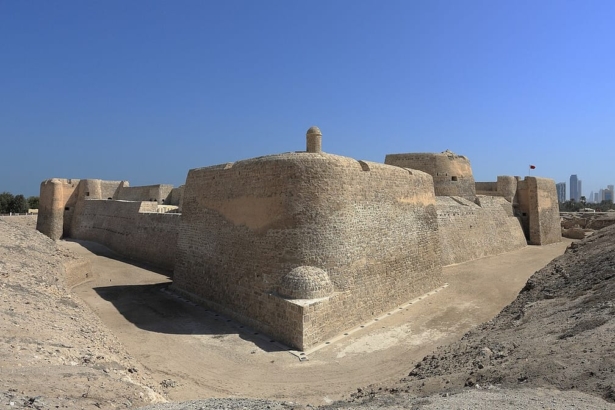
Bahrain is in the worst position. It would need oil near $161 a barrel to balance its budget. Its economy should shrink 9% in 2026, and net government debt could climb from 129% of GDP to 155% by 2029.
S&P Global kept Bahrain at B with a stable outlook. However, it warned that foreign currency reserves fall short of the monetary base. Support from its neighbours is therefore vital for the dinar’s peg to the US dollar. The UAE has already signed a five-year swap of up to 20 billion dirhams.
Borrowing as the Gulf budget deficit widens
Debt markets still welcome Gulf issuers. Debt securities in the region topped $1.2 trillion by the end of September. Islamic bonds made up 42% of that stock, and about 87% of rated sukuk had investment grade status.
Foreign banks have stepped up their exposure. They held over $110 billion in regional bonds and sukuk, up 41% in a year. Fitch Ratings noted that cash flowing into Bahraini debt more than doubled, reaching $4.7 billion.
Even so, analysts say states differ widely in their ability to raise money. Economist Ali Ahmed Darwish warned that long-dated bonds could squeeze funding for small firms and push up borrowing costs. In his view, larger repayments would also leave less cash for services and development.
These numbers are projections, not final accounts. They may shift if oil prices or the war change course, so readers should treat the Gulf budget deficit figure as an estimate from one report.
The gap also varies by country. Larger producers hold bigger reserves, while smaller states depend more on borrowing and on help from richer neighbours. That split could shape how each government trims spending or raises revenue.
Shipping strains add to costs
Tankers are staying away. Empty tanker capacity heading to the Gulf of Oman shrank by roughly 40% from late August to 16 November, falling from 130 million barrels to 71 million. War-risk premiums rose, and five tankers came under attack near the Strait of Hormuz.
Earlier coverage looked at how West Asia braces for another round of fighting, and these figures show what that risk costs in practice.
For now, the Gulf budget deficit depends on how long the war lasts and on oil exports. Also, wealthier states may have to back weaker ones, as Bahrain’s case shows.
We welcome your contributions! Submit your blogs, opinion pieces, press releases, news story pitches, and news features to opinion@minutemirror.com.pk and minutemirrormail@gmail.com