Summary
- Paneer can sometimes turn slightly yellow after being stored in the refrigerator for several days.
- After taking paneer out of the freezer allow it to thaw slowly in the refrigerator instead of leaving it in a warm place. Frozen paneer may become slightly firmer after thawing which can affect its texture.
- The cloth should remain only slightly moist not soaking wet. Too much moisture can affect the quality of the paneer.
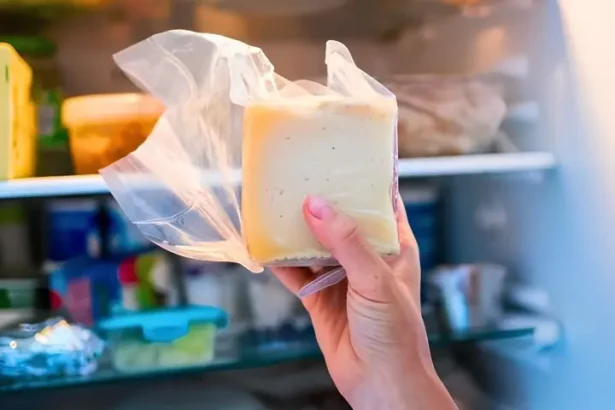
Paneer can sometimes turn slightly yellow after being stored in the refrigerator for several days. Its taste or smell may also change. This does not always mean the paneer has gone bad.
The way paneer was stored how long it has been kept and changes in its smell texture and surface are all important when checking whether it is still safe to eat.
Paneer is a nutritious food that provides protein and calcium which support healthy muscles and strong bones and teeth. Proper storage can help maintain its quality and freshness.
How to store paneer in the fridge
Paneer can be placed in a clean airtight container and covered completely with clean water. The water should be enough to keep the paneer fully submerged.
It is better to change the water every day or every other day and keep the paneer refrigerated. A refrigerator temperature of around 1°C to 4°C is generally suitable for keeping paneer chilled.
Fresh paneer is best used within a few days depending on its freshness and storage conditions.
How to store Paneer for longer
If you want to keep paneer for a longer period cut it into smaller pieces and place them in an airtight package or freezer bag before freezing.
After taking paneer out of the freezer allow it to thaw slowly in the refrigerator instead of leaving it in a warm place. Frozen paneer may become slightly firmer after thawing which can affect its texture.
Can you wrap paneer in a damp cloth?
Another traditional method is to wrap paneer in a clean slightly damp cotton or muslin cloth and place it inside an airtight container in the refrigerator.
The cloth should remain only slightly moist not soaking wet. Too much moisture can affect the quality of the paneer.
Why does paneer turn yellow?
Paneer may change color for several reasons including longer storage temperature changes exposure to air or moisture and improper packaging.
A slight color change alone is not enough to decide whether paneer is safe to eat. Always check its smell, texture and surface as well.
•Signs that paneer Has gone bad
•Do not eat paneer if it develops
•A strong or unusual sour smell
•An unusually sticky or slimy texture
•Visible mold
Clear and unusual discoloration
Other noticeable changes in its appearance or quality If mold is visible on paneer, it is safer to throw the entire piece away rather than simply cutting off the affected area.
Avoid leaving paneer outside for long
Do not keep paneer at room temperature for a long time. Take out only the amount you plan to use and return the remaining paneer to the refrigerator as soon as possible.
This is especially important during hot weather because bacteria can grow more quickly in perishable foods when they are kept at warmer temperatures.
Check paneer before buying
When buying paneer check the packaging expiry or use by date and overall appearance. Avoid buying paneer if the package is damaged the product has an unusual smell or you notice anything that looks suspicious.
Proper refrigeration clean storage containers and good handling can help keep paneer fresh for longer.
However if the paneer develops a clearly bad smell unusual texture mold or other signs of spoilage it is safer to throw it away rather than risk eating it.
We welcome your contributions! Submit your blogs, opinion pieces, press releases, news story pitches, and news features to opinion@minutemirror.com.pk and minutemirrormail@gmail.com