Summary
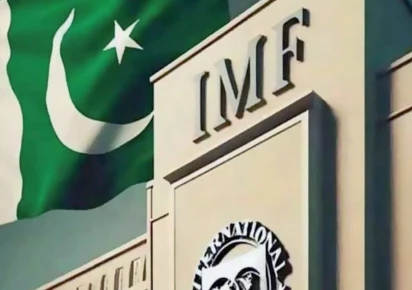
- The International Monetary Fund (IMF) is considering a reduction in Pakistan’s health and education spending target as provincial governments face increasing fiscal pressure.
- Last year, combined provincial spending on health and education fell about Rs370 billion short of the agreed target.
- The IMF had previously considered making the health and education spending target stricter by converting it from an indicative target into a quantitative performance criterion.
The International Monetary Fund (IMF) is considering a reduction in Pakistan’s health and education spending target as provincial governments face increasing fiscal pressure.
Under the current IMF programme, the provinces are expected to collectively spend more than Rs4.2 trillion on health and education during the current fiscal year. However, government officials believe the target is likely to be missed again.
Discussions with provincial authorities have indicated that a revised target of around Rs3.9 trillion could be considered. Even with the proposed reduction, provincial budget allocations would remain about Rs200 billion below the revised requirement.
The spending target has been a recurring challenge during Pakistan’s ongoing $7 billion IMF programme. Last year, combined provincial spending on health and education fell about Rs370 billion short of the agreed target.
The latest pressure is partly linked to commitments made by provinces to provide financial support to the federal government while also maintaining a required cash surplus.
Punjab and Sindh have told officials that their budgets are under pressure because of commitments involving around Rs1.7 trillion in cash surpluses and grants for federal initiatives. Khyber-Pakhtunkhwa, which has not made a similar commitment, has indicated that it expects to meet its health and education spending target.
Punjab has allocated around Rs1.3 trillion for health and education in its current budget. Sindh has earmarked approximately Rs1.1 trillion, while Khyber-Pakhtunkhwa has allocated more than Rs800 billion. Balochistan has set aside about Rs268 billion for the two sectors.
The issue is being discussed as Pakistan and the IMF move towards the conclusion of talks on the next review of the bailout programme. The negotiations are focused on finalising a policy document that will form the basis for the review.
If an agreement is reached, Pakistan could receive around $1 billion under the main IMF programme along with more than $200 million through a climate-related financing facility.
The IMF had previously considered making the health and education spending target stricter by converting it from an indicative target into a quantitative performance criterion. Such a change would make failure to meet the target more consequential.
The spending pressure has also been linked to difficulties in meeting federal tax collection targets. The government has asked provinces to control expenditure after revenue shortfalls increased pressure on the overall fiscal position.
To create additional fiscal space, the federal government reduced its development programme by Rs126 billion, while Punjab also cut its development spending allocation by Rs150 billion.
We welcome your contributions! Submit your blogs, opinion pieces, press releases, news story pitches, and news features to opinion@minutemirror.com.pk and minutemirrormail@gmail.com