Summary
- Indonesia is considering increasing subsidised fuel prices in early 2027 for the first time in five years as rising global oil prices and a weakening rupiah put growing pressure on government finances.
- The Indonesian government has maintained subsidised fuel prices despite elevated international oil costs following disruptions to global energy markets caused by the Middle East conflict.
- The widening gap between subsidised and higher-quality fuel prices has also encouraged some consumers to switch to cheaper government-supported alternatives, increasing demand and putting further pressure on subsidy spending.
Indonesia is considering increasing subsidised fuel prices in early 2027 for the first time in five years as rising global oil prices and a weakening rupiah put growing pressure on government finances.
The proposed increase comes amid mounting concerns over the country’s fuel subsidy expenses and the financial position of state-owned energy company Pertamina. However, no final decision has been taken on whether prices will rise or how much consumers could be required to pay.
Four people familiar with the discussions told Reuters that the proposal was considered at a meeting last week involving officials from Bank Indonesia, Pertamina, sovereign wealth fund Danantara and the Coordinating Ministry for Economic Affairs.
One government official said the proposal originated from Pertamina because of concerns about its financial position. Officials are also assessing the potential economic and political consequences of increasing fuel prices, particularly the impact on President Prabowo Subianto’s popularity.
The Indonesian government has maintained subsidised fuel prices despite elevated international oil costs following disruptions to global energy markets caused by the Middle East conflict.
However, the growing cost of maintaining subsidies has created additional pressure on the national budget. Indonesia’s energy subsidy expenditure is expected to reach 500 trillion rupiah, equivalent to approximately $27.2 billion, this year. This represents a 30 per cent increase from the original allocation.
The Finance Ministry has indicated that the government could increase the subsidy budget further. Meanwhile, Pertamina has reportedly not received full reimbursements for distributing subsidised fuel as authorities attempt to control public spending.
Indonesia’s budget deficit is legally restricted to 3 per cent of gross domestic product (GDP). The projected deficit for this year stands at 2.85 per cent, leaving limited room for additional expenditure. The government’s expensive programmes, including free meals for millions of students and pregnant women, have also added to fiscal pressures.
Fuel prices remain a politically sensitive issue in Indonesia, where previous increases have triggered public demonstrations and dissatisfaction with successive governments. The last increase in subsidised fuel prices took place in 2022.
The proposed move could also create difficulties for Prabowo, whose approval ratings have reportedly declined amid growing economic concerns. Analysts warn that higher fuel costs could increase public dissatisfaction and weaken confidence in his administration.
Djayadi Hanan, executive director of pollster Lembaga Survei Indonesia, said rising living costs could negatively affect public perceptions of the government’s economic performance and the president’s leadership.
Currently, subsidised 90-octane gasoline sells for 10,000 rupiah per litre, approximately half its estimated market-based price. Subsidised diesel costs 6,800 rupiah per litre, less than one-third of its estimated economic value.
The widening gap between subsidised and higher-quality fuel prices has also encouraged some consumers to switch to cheaper government-supported alternatives, increasing demand and putting further pressure on subsidy spending.
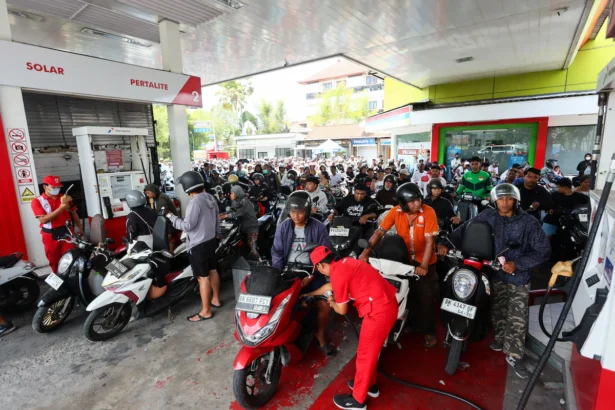
Authorities are separately considering increasing the subsidised fuel supply quota following reports of long queues at petrol stations in several cities.
Indonesia, a net oil importer, is also facing pressure from its weakening currency. The rupiah fell to a fresh record low of 18,395 against the US dollar on Thursday, adding to concerns about the country’s import costs and economic stability.
We welcome your contributions! Submit your blogs, opinion pieces, press releases, news story pitches, and news features to opinion@minutemirror.com.pk and minutemirrormail@gmail.com