Summary
- Iran’s foreign minister rejected the threat of fresh American sanctions on Sunday, calling the move a sign of desperation and insisting the new measures would not succeed in breaking Tehran’s resolve.
- Pakistan has played a mediating role in the broader conflict, and a Pakistani government source said Munir intends to discuss recent developments, including the threat of new American sanctions, during his trip.
- American military action has significantly weakened Iran’s economy and severely damaged its navy and air force, though Tehran retains sufficient missile and drone capability to disrupt oil tanker movements and strike at regional adversaries.
Iran’s foreign minister rejected the threat of fresh American sanctions on Sunday, calling the move a sign of desperation and insisting the new measures would not succeed in breaking Tehran’s resolve. The comments came ahead of a planned press conference by US Treasury Secretary Scott Bessent, who has pledged to unveil what he described as the toughest sanctions package ever imposed on Iran.
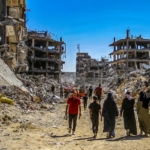
Iran’s economy already strains under years of international sanctions, and its infrastructure has suffered repeated damage since the United States and Israel launched military strikes on the Islamic Republic on February 28. Thousands of people have died in the airstrikes carried out over the nearly six month conflict.
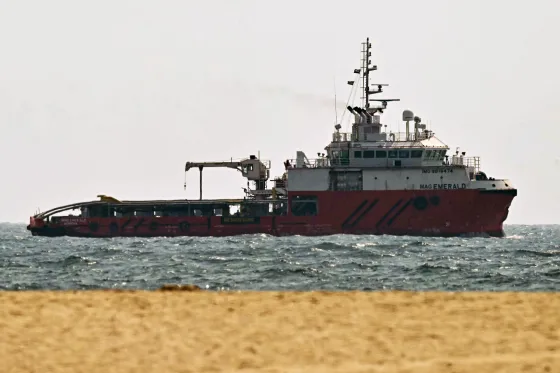
Despite the pressure, Tehran has held firm and effectively halted much of the shipping traffic through the Strait of Hormuz, blocking unauthorized oil tankers from passing through the waterway that carries a significant share of the world’s oil supply. The resulting disruption has pushed global oil prices higher in recent weeks.
Iranian Foreign Minister Abbas Araqchi, in a video posted to Telegram, described the sanctions threat as part of a repetitive pattern from Washington. He said American officials had shifted away from military operations only to revive familiar strategies, a shift he characterized as evidence of desperation. Araqchi called on the United States to engage with Iran respectfully and pursue a resolution grounded in justice and honor.
Araqchi said Iran has never shown fear in the face of American pressure, adding that previous blockades and military actions had all failed and that the newest measures would meet the same fate.
US President Donald Trump has warned that any country offering what he called a lifeline to Iran would face economic consequences, and Bessent has pressed China, which purchases more than 80 percent of Iran’s exported oil according to 2025 data from analytics firm Kpler, to cooperate with Washington’s approach. Chinese officials have instead called for a diplomatic resolution to the conflict.
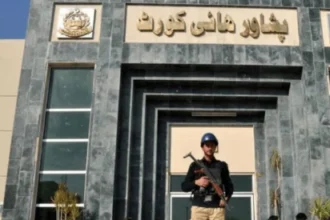
Iran also announced that Pakistan’s army chief, Asim Munir, would travel to Tehran on Monday as part of regional efforts to restore peace and security, though officials offered few additional details about the visit. Pakistan has played a mediating role in the broader conflict, and a Pakistani government source said Munir intends to discuss recent developments, including the threat of new American sanctions, during his trip.
Trump said Friday that Washington continues to monitor how the conflict unfolds. He suggested Iranian leaders want to reach an agreement but remain unwilling to accept terms he considers fair. American military action has significantly weakened Iran’s economy and severely damaged its navy and air force, though Tehran retains sufficient missile and drone capability to disrupt oil tanker movements and strike at regional adversaries.
Iranian Parliament Speaker Mohammad Baqer Qalibaf said Saturday that Tehran had received numerous messages from neighboring countries interested in building new regional security arrangements and expanding economic cooperation, though he did not specify which nations were involved. Qalibaf accused the United States of jeopardizing the security of its own regional allies to benefit Israel, and he argued that a homegrown, independently developed regional order would better serve long term peace and stability.
The standoff reflects a broader pattern seen throughout the conflict, in which economic pressure from Washington has repeatedly failed to alter Iran’s strategic calculations, while regional mediators such as Pakistan continue working to prevent further escalation. With oil markets already reacting to the disruption in the Strait of Hormuz, the coming days are likely to test whether renewed sanctions can achieve what months of military strikes and blockades have not.
We welcome your contributions! Submit your blogs, opinion pieces, press releases, news story pitches, and news features to opinion@minutemirror.com.pk and minutemirrormail@gmail.com