Summary
- Speaking to Iranian state broadcaster IRIB, he said US military bases and interests were within the range of Iranian missiles and drones.
- The kingdom’s Civil Defence said debris from two intercepted ballistic missiles fell in Sabuhah village in the Makkah region early Thursday.
- The report said President Donald Trump had indicated to aides and foreign counterparts that he was open to Vance leading renewed negotiations with Tehran.
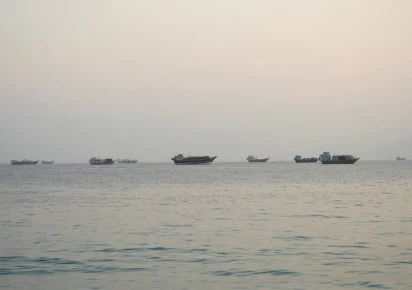
Tensions between Iran and the United States have intensified after Tehran warned that military bases involved in any renewed US attack could become targets, extending its threat beyond the Middle East to Europe. The warning came as Iran’s Revolutionary Guards Navy reported that two oil supertankers were disabled by major explosions after allegedly ignoring warnings to avoid an unauthorised route through the Strait of Hormuz.
In a statement issued on Thursday, the Guards Navy said the two vessels were struck on Wednesday night. The incident has added to concerns over maritime security in the strategic waterway, which is a major route for global oil shipments.
Iran’s latest warning followed remarks by Mohsen Rezaei, secretary of the Supreme National Security Council. In a post on X, he said Tehran would consider every military base involved in an attack on Iran a legitimate target. He specifically extended the warning from West Asia to Europe, declaring that distance would not provide protection.
Earlier, Kioumars Heydari, deputy chief of Iran’s Armed Forces General Staff, said the country was prepared to strike targets beyond the region if attacked again. Speaking to Iranian state broadcaster IRIB, he said US military bases and interests were within the range of Iranian missiles and drones. He also warned that countries allowing their territory to be used for attacks against Iran could face retaliation.
Rezaei also ruled out transferring Iran’s enriched nuclear material abroad. In an interview with Lebanon-based Al Mayadeen TV, he said Tehran would retain the material and use it domestically. He claimed it could support the development of nuclear-powered ships and submarines.
Iranian sources had previously said that Supreme Leader Mojtaba Khamenei directed officials not to send the country’s enriched uranium overseas. Russia has offered to remove uranium from Iran as part of a possible arrangement aimed at addressing US concerns. However, Moscow has maintained that the final decision rests with Tehran.
Meanwhile, the conflict’s regional impact has extended to Saudi Arabia. The kingdom’s Civil Defence said debris from two intercepted ballistic missiles fell in Sabuhah village in the Makkah region early Thursday. The missiles were reportedly launched by Yemen’s Houthi group.
Saudi-led coalition spokesman Turki al-Maliki also said air defences intercepted and destroyed a drone over the Eastern Province. The coalition had reported intercepting five missiles and two drones on Wednesday. According to its statement, three cruise missiles were directed towards the Riyadh region, while two ballistic missiles were intercepted in western Saudi Arabia. The drones were intercepted over the Makkah and southern regions.
Amid the escalating military tensions, Washington is reportedly considering a diplomatic initiative to end the conflict. US Vice President JD Vance is weighing the possibility of holding direct talks with Rezaei, according to a report by The Wall Street Journal, which cited US and Middle Eastern officials.
The report said President Donald Trump had indicated to aides and foreign counterparts that he was open to Vance leading renewed negotiations with Tehran. Discussions about a possible meeting are still at an early stage, and no date has been announced. However, the two sides are reportedly communicating through mediators and regional allies.
According to the report, Vance sent a letter to Rezaei in October requesting a meeting. Taking charge of negotiations could carry political risks for the vice president, particularly if diplomatic efforts fail. A successful agreement, however, could strengthen his position as a key figure in efforts to end the conflict.
The report also said Trump had privately questioned an agreement framework negotiated in June with Vance’s involvement. He reportedly argued that it allowed Iran to recover and earn oil revenues before a US naval blockade was imposed. A White House official rejected claims that Trump had reconsidered the agreement, saying the negotiators had acted in good faith.
Vance has also acknowledged the domestic political pressure surrounding the conflict. He recently linked the war to Republican setbacks in the midterm elections, highlighting growing pressure on the administration to find a way to bring the fighting to an end.
We welcome your contributions! Submit your blogs, opinion pieces, press releases, news story pitches, and news features to opinion@minutemirror.com.pk and minutemirrormail@gmail.com