Summary
- WASHINGTON: The conflict involving Iran widened significantly over the weekend, spilling into the Red Sea and the Caspian Sea despite a temporary halt in direct US military strikes, raising fresh concerns over regional stability and global energy security.
- According to US media reports, President Trump has decided to pause plans for intensified military action after advisers expressed concerns about the risks of expanding the conflict, including pressure on US weapons stockpiles, potential strain on relations with Gulf allies and disruptions to global energy markets.
- The accusation came shortly after Ukrainian President Volodymyr Zelensky said Russia had been providing Iran with satellite intelligence to assist its military operations in the region.
WASHINGTON: The conflict involving Iran widened significantly over the weekend, spilling into the Red Sea and the Caspian Sea despite a temporary halt in direct US military strikes, raising fresh concerns over regional stability and global energy security.
The United States military confirmed that its naval blockade against Iran remains in place but offered no explanation for suspending a series of nightly airstrikes that had continued for nearly two weeks. A senior official in President Donald Trump’s administration said Washington still preferred a diplomatic solution, while warning that Iran would face serious consequences if negotiations failed.
According to US media reports, President Trump has decided to pause plans for intensified military action after advisers expressed concerns about the risks of expanding the conflict, including pressure on US weapons stockpiles, potential strain on relations with Gulf allies and disruptions to global energy markets.
While the Gulf region remained relatively calm, tensions escalated elsewhere. Yemen’s Iran-backed Houthi movement claimed responsibility for missile and drone attacks targeting Saudi Aramco oil facilities in Jizan and Yanbu along the Red Sea coast. Videos circulating online showed smoke rising near the Jizan refinery, one of Saudi Arabia’s major oil-processing sites, while Saudi air defences reportedly intercepted additional missiles aimed at Yanbu.
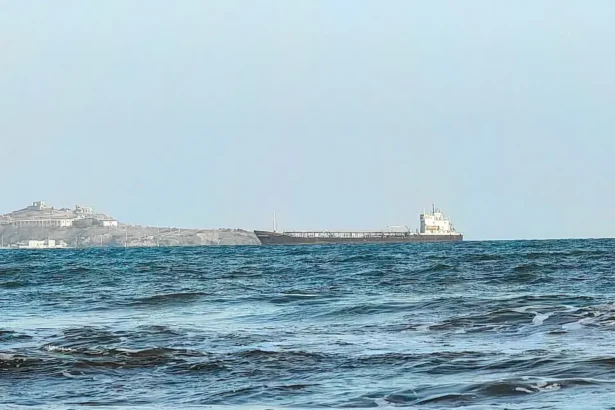
The attacks have heightened fears that the conflict could spread further across key international shipping routes, particularly after earlier disruptions in the Strait of Hormuz. Despite the escalation, Houthi officials said they were not seeking to block the Bab al-Mandeb Strait, another vital maritime corridor for global trade.
Meanwhile, Iran accused Ukraine of attacking one of its commercial vessels in the Caspian Sea, claiming the strike killed one sailor and injured another. Tehran summoned Ukraine’s senior diplomat to lodge a formal protest, describing the alleged attack as a hostile act. The accusation came shortly after Ukrainian President Volodymyr Zelensky said Russia had been providing Iran with satellite intelligence to assist its military operations in the region.
In Yemen, fighting also intensified as forces aligned with the internationally recognised government launched airstrikes on Houthi positions in Marib and Al-Jawf provinces. Military officials reported troop movements on both sides, raising concerns that the country’s fragile ceasefire has effectively collapsed after years of relative calm.
Analysts warn that the expanding conflict now threatens to destabilise multiple regions simultaneously, with growing risks to international shipping, oil supplies and broader Middle East security.
We welcome your contributions! Submit your blogs, opinion pieces, press releases, news story pitches, and news features to opinion@minutemirror.com.pk and minutemirrormail@gmail.com