Summary
- Her remarks, which took direct aim at young women protesters and described them in deeply offensive terms, have drawn sharp condemnation from across the country.
- But they probably flaunt their freedom to have drugs, drinks or endless body counts.” She went on to specifically criticise young Hindu women whom she accused of aspiring to a form of independence they had not earned.
- The language she used about young women in particular has drawn the most intense criticism, with many pointing out the specific ugliness of describing protesting citizens in the terms she chose.
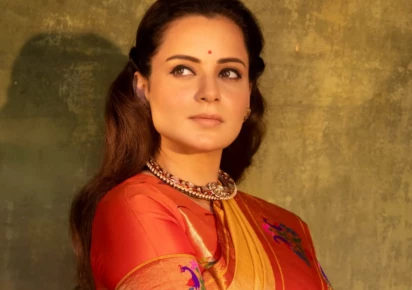
Actress and BJP Member of Parliament Kangana Ranaut has sparked widespread outrage after sharing a series of inflammatory Instagram Stories targeting the Gen Z-led Cockroach Janta Party movement, which has been demanding accountability over exam paper leaks that rocked India’s education system. Her remarks, which took direct aim at young women protesters and described them in deeply offensive terms, have drawn sharp condemnation from across the country.
The political context for her comments is significant. The CJP protests, which began in New Delhi and spread to other cities, were triggered by widespread allegations of paper leaks in competitive examinations. The movement gained considerable momentum after Education Minister Dharmendra Pradhan resigned, intensifying public debate around the protesters’ demands for systemic reform and accountability.
Ranaut chose not to address those demands. Instead, she used her platform to launch a sweeping attack on the character of the people participating in the protests. “They don’t do this at the cost of their parents or families,” she wrote. “Here is a new generation of so-called westernised Indian women. I call them generational gutter. Some of them have nothing to offer to the system. They are not good at studies but they are so ugly and corrupt that they can’t be home makers either. But they probably flaunt their freedom to have drugs, drinks or endless body counts.”
She went on to specifically criticise young Hindu women whom she accused of aspiring to a form of independence they had not earned. “Most appalled is the behaviour of young Hindu women who want to imitate the lives of independent career women, without earning that freedom,” she said. “Women who are truly independent, they make rebellious choices, bold opinions, unconventional career moves and they take accountability for their actions.”
She also addressed those who had faced physical confrontations during the protests, framing the violence as a natural consequence of their own behaviour. “Protesters who are getting beaten and abused on the roads by the common people because of their filthy and abusive roles, must understand that once you post, you will be criticised and once you damage public property, the public will damage you.”
She concluded with a statement she presented as philosophical but which read to many as dismissive. “Now is not a time to cry. If you receive the opposite reaction, it is due to cause and effect. You will understand soon if you have not already.”
The remarks have landed with considerable force at a moment when Indian celebrities are already divided over whether and how to support the CJP movement. While figures including Diljit Dosanjh, Arijit Singh and actor Imran Khan have expressed solidarity with the protesters, Ranaut has positioned herself firmly on the opposite side, in a manner that has gone well beyond political disagreement into personal attack. The language she used about young women in particular has drawn the most intense criticism, with many pointing out the specific ugliness of describing protesting citizens in the terms she chose.