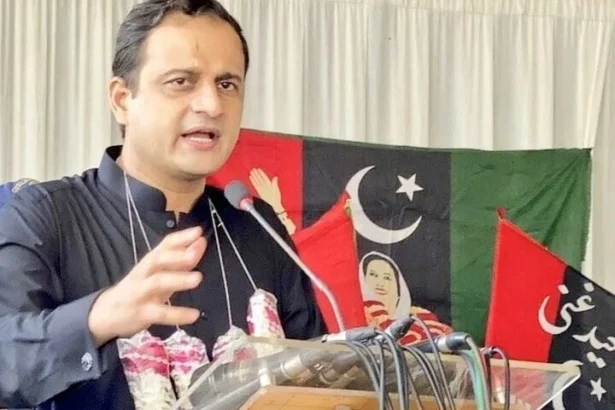
Mayor of Karachi Murtaza Wahab presented the city’s new fiscal year budget, describing it as balanced and development-oriented, with a strong focus on infrastructure restoration across all districts. He announced that road construction and rehabilitation projects would extend even to those areas not directly under Karachi Metropolitan Corporation (KMC) jurisdiction, ensuring wider benefits for residents.
During the City Council session, Wahab emphasized that the budget prioritizes solutions to urban challenges, employee welfare, and environmentally friendly initiatives. He highlighted ongoing work on roads, bridges, and flyovers, noting that projects would continue in areas outside KMC’s administrative control to provide convenience to citizens.
The mayor reported that KMC’s 11,500 employees now have health insurance, while proposals for pension cards for retired staff are under consideration. He added that salaries are being paid on time for the first time in 25 years, with arrears for retired employees prioritized. Fire brigade workers received time-scale promotions after 24 years, lifeguards were promoted after many years, and double salaries for certain employees were discontinued.
Wahab linked the city’s progress to the priorities of Pakistan Peoples Party leader Bilawal Bhutto, saying that PPP had been given its first opportunity to serve at the municipal level. He noted that the budget for 2026–27 reflects PPP’s commitment to Karachi’s development.
He detailed completed infrastructure work, including 3.19 million square feet of patchwork, installation of 12.33 million square feet of paver blocks, and restoration of nearly 100,000 square feet of footpaths. Projects such as Nursery Flyover, Jinnah Bridge, and Shaheed-e-Millat Road have been completed, while the Azimpura Flyover was finished in just 93 days. Wahab also mentioned the renovation of Stone Circle.
On heritage preservation, the mayor said restoration of Empress Market, Denso Hall, and other historic buildings had been completed, benefiting citizens by improving both infrastructure and cultural heritage.
Urban beautification and environmental projects were also highlighted. Wahab said parks, sports grounds, and urban forests were being developed, with 4.75 acres of parks restored. Landhi Sports Complex was reopened after 30 years, a new sports complex was launched in District West, and a target of planting 100,000 trees along Bhutto Road was set, with 10,000 already planted. Plans include planting 5,000 mangroves in Shaheed Benazir Bhutto Park.
Digital initiatives are underway, including GIS mapping and archiving of KMC assets. A 150-kilowatt solar system has been installed at KMC headquarters, while new heavy vehicles and 20 electric bikes have been provided to departments. Wahab said these were purchased using funds from auctioning old vehicles, with 110 million rupees approved for duty vehicles.
Healthcare improvements include modern facilities at Abbasi Shaheed Hospital, Karachi Institute of Heart Diseases, and Spencer Eye Hospital. Wahab confirmed that outstanding payments for postgraduate doctors and house officers at Abbasi Shaheed Hospital had been cleared. He also noted the restoration of the Meva Shah incineration plant for safe disposal of medical and industrial waste.
The mayor announced that Karachi had become the first city in Pakistan to issue municipal bonds. Parking fees at 32 KMC-managed sites have been abolished, while improvements continue at Karachi Zoo, Safari Park, and other recreational facilities.
The council session also included prayers for Rangers personnel who lost their lives in recent operations.