Summary
- These include: •Not getting enough breast milk or formula •Breast milk related jaundice that lasts longer •Premature birth Differences between the mother’s and baby’s blood groups •Bruising or injuries during birth •Blood or other infections •Common Signs and •Symptoms of Newborn Jaundice The most noticeable sign of jaundice is yellow skin.
- According to Dr Satya Priya Sahu, treatment depends on the baby’s bilirubin level age and overall health.
- With proper monitoring and timely treatment most cases of newborn jaundice can be managed successfully.
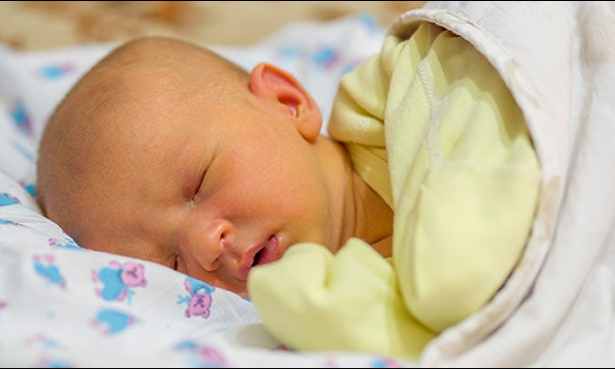
Jaundice is a common condition in newborn babies affecting around 60% of infants. It occurs when the level of a substance called bilirubin becomes too high in the blood.
As a result, the baby’s skin and the whites of their eyes begin to look yellow.
According to Dr Satya Priya Sahu, a consultant neonatologist at Yashoda Hospitals in Hyderabad, a newborn baby’s liver is not fully developed at birth.
This makes it difficult for the liver to remove bilirubin from the body quickly. Jaundice usually appears during the second or third day after birth. In most babies it goes away on its own within one to two weeks.
However premature babies may take three to four weeks to recover.
What Causes Jaundice in Newborn Babies?
•Several factors can lead to jaundice in newborns. These include:
•Not getting enough breast milk or formula
•Breast milk related jaundice that lasts longer
•Premature birth
Differences between the mother’s and baby’s blood groups
•Bruising or injuries during birth
•Blood or other infections
•Common Signs and
•Symptoms of Newborn Jaundice
The most noticeable sign of jaundice is yellow skin. It usually starts on the baby’s face and may gradually spread to the chest and stomach.
Parents can gently press the baby’s forehead or nose in natural light to check for yellow skin. However this method cannot accurately measure bilirubin levels. A special skin scanner or blood test is needed to confirm the condition.
How Is Jaundice Treated?
Not every baby with jaundice needs medical treatment. According to Dr Satya Priya Sahu, treatment depends on the baby’s bilirubin level age and overall health.
If bilirubin rises above the recommended level doctors may use a treatment called phototherapy. During this treatment the baby is placed under a special blue light that helps the body remove bilirubin.
Other treatment options may include
•Feeding the baby more frequently
•Getting help if the baby has difficulty breastfeeding
•Treating the underlying cause such as an infection or blood group incompatibility
In rare and serious cases doctors may recommend an exchange blood transfusion to quickly reduce bilirubin levels.
Warning Signs Parents Should Never Ignore
Parents should seek immediate medical attention if their newborn develops yellow skin within the first 24 hours after birth. Other warning signs include
Yellowing that spreads to the hands and feet
•Unusual sleepiness or difficulty waking the baby
•Refusing to feed or drinking very little milk
•Passing less urine than usual
•Continuous or unusual high pitched crying
•A stiff or unusually floppy body
•Arching the back like a bow
•Fever
•White or very pale stools
•Dark coloured urine
Parents should also consult a doctor if jaundice continues for more than two weeks.
Important Safety Tips for Parents
Doctors advise parents not to rely on sunlight giving water or using herbal and home remedies to treat newborn jaundice.
These methods are not a replacement for proper medical care. Regular feeding timely medical check ups and bilirubin testing are important for keeping newborns safe. If parents notice any unusual symptoms they should contact a healthcare professional without delay.
With proper monitoring and timely treatment most cases of newborn jaundice can be managed successfully.
We welcome your contributions! Submit your blogs, opinion pieces, press releases, news story pitches, and news features to opinion@minutemirror.com.pk and minutemirrormail@gmail.com