Summary
- He said nearly 70 per cent of the union’s 43,000 auto-rickshaws and around 8,000 Qingqi rickshaws run on the fuel.
- Muhammad Latif, a 45-year-old rickshaw driver who has spent three decades supporting his family, said he struggled to cover his expenses despite working more than 12 hours daily.
- Latif pays Rs600 daily to rent his rickshaw and refills its tank three or four times a day at rates exceeding Rs500 per kilogramme.
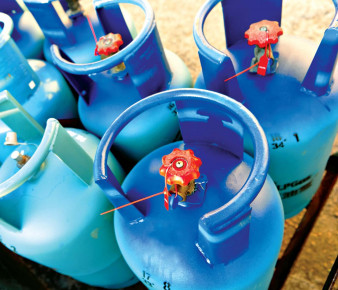
LPG prices have climbed to Rs495–550 per kilogramme in Lahore, far above the official rate of Rs294.75 set by the Oil and Gas Regulatory Authority (OGRA), as consumers complain about poor regulatory enforcement.
The sharp rise has increased the cost of cooking and heating for households without piped natural gas. Rickshaw drivers and commercial transport operators who depend on LPG have also faced mounting expenses.
Majeed Ghauri, chairman of the Awami Rickshaw Union, called LPG “the fuel of the poor”. He said nearly 70 per cent of the union’s 43,000 auto-rickshaws and around 8,000 Qingqi rickshaws run on the fuel.
Muhammad Latif, a 45-year-old rickshaw driver who has spent three decades supporting his family, said he struggled to cover his expenses despite working more than 12 hours daily.
“When LPG was cheaper, we could earn a reasonable income. Now, making Rs800 to Rs900 a day is difficult,” he said.
Latif pays Rs600 daily to rent his rickshaw and refills its tank three or four times a day at rates exceeding Rs500 per kilogramme. He also spends Rs13,000 a month on house rent while supporting his three young children and elderly parents.
Another driver, Ashraf Khan, said passengers resisted fare increases despite rising fuel costs.
“Journeys that should cost Rs200 to Rs250 now bring offers of only Rs100 to Rs150,” he said.
Supply shortages linked to the closure of border crossings with Iran, along with natural gas load-shedding, have further restricted access to cooking fuel.
Meanwhile, Pakistan’s inflation reached 9.6 per cent in October, while the State Bank of Pakistan raised its policy rate to 12 per cent, adding to the financial strain on low-income households and workers.
We welcome your contributions! Submit your blogs, opinion pieces, press releases, news story pitches, and news features to opinion@minutemirror.com.pk and minutemirrormail@gmail.com