Summary
- Nepal’s National Disaster Risk Reduction and Management Authority listed 2,502 people missing, while Chinese officials reported an additional 546 unaccounted for, pushing the total number of missing to roughly 3,048.
- Chinese Foreign Minister Wang Yi told his Nepali counterpart during a Saturday phone call that the mudslide represents the most severe cross border disaster the two nations have faced in recent years, according to state broadcaster CCTV, adding that rescue operations have reached an unprecedented level of difficulty and complexity.
- On the Chinese side, authorities said 16 people died and 546 remain missing in Gyirong County, including 261 foreign nationals from 23 countries unaccounted for near a key border crossing with Nepal.
The death toll from catastrophic flooding along the Nepal China border has climbed to at least 797, with more than 3,000 people still missing, as rescue crews entered a fifth day of search operations across rugged Himalayan terrain on Sunday.
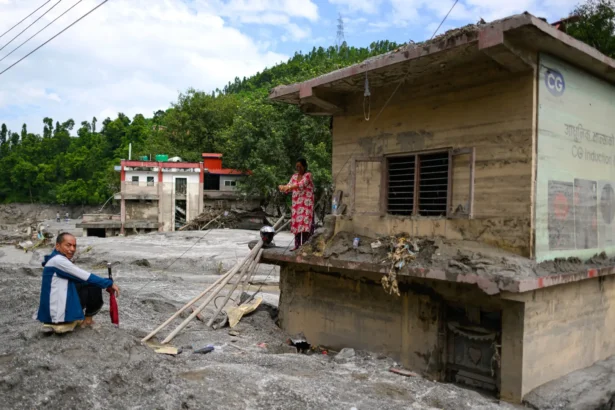
Nepal’s disaster authority reported 781 deaths within the country, while Chinese state media confirmed 16 fatalities in Tibet, bringing the combined toll to 797. Nepal’s National Disaster Risk Reduction and Management Authority listed 2,502 people missing, while Chinese officials reported an additional 546 unaccounted for, pushing the total number of missing to roughly 3,048.
Nepal’s missing list includes 592 foreign nationals and 933 workers who had been employed on hydropower projects along the river system that the flood tore through, according to the disaster authority. A Sunday update from Nepali officials listed 1,910 missing citizens, including 562 people unaccounted for in Rasuwa district, the area hit hardest by the disaster.
Authorities in neighboring India said they recovered seven bodies from rivers flowing down from Nepal, believed to be flood victims, though those deaths have not yet been added to the official toll. The Red Cross has estimated that the disaster likely affected more than 90,000 people in total, and Chinese officials have linked the flooding to broader climate change effects.
Chinese Foreign Minister Wang Yi told his Nepali counterpart during a Saturday phone call that the mudslide represents the most severe cross border disaster the two nations have faced in recent years, according to state broadcaster CCTV, adding that rescue operations have reached an unprecedented level of difficulty and complexity.
On the Chinese side, authorities said 16 people died and 546 remain missing in Gyirong County, including 261 foreign nationals from 23 countries unaccounted for near a key border crossing with Nepal.
Local police told a news agency that residents and rescue workers moved to higher ground in recent hours after water levels in the Trishuli River rose following fresh rainfall, raising concerns about additional flooding. Rescue operations have been suspended multiple times since Friday due to poor weather and fears that a lake formed across the Nepal China border by the disaster could trigger renewed flooding after beginning to overflow into Nepal’s Lhende Khola and Trishuli rivers.
CCTV reported that the lake threatening downstream communities had largely drained by Saturday evening, but drone surveillance detected a new landslide late Saturday roughly 2.8 kilometers downstream of the lake, which has formed a new dam and created a fresh pool of water.
In Nepal, rescue teams have increasingly focused their efforts on hundreds of people believed trapped inside tunnels at hydropower plants damaged by the floodwaters. Lok Bahadur Chhetri, a spokesperson for Nepal’s foreign ministry, said the country needs international assistance in specialized areas including tunnel rescue operations, DNA testing, refrigerated storage for recovered bodies and forensic identification of decomposed remains. Chhetri said Indian and Chinese experts are already working alongside Nepali teams to help open blocked tunnels and support broader rescue efforts.
As desperate relatives spent days moving between hospitals, morgues and relief centers searching for missing loved ones, Nepali authorities began conducting mass burials of hundreds of unidentified victims whose remains had started to decompose. In Chitwan district, which avoided the flood’s direct impact, bodies swept downstream from the hard hit Rasuwa region have been carried through the river system into the Narayani River.
Authorities are photographing recovered bodies, collecting DNA samples and recording identifying details in hopes that families may eventually be able to identify relatives even after burial. Police officer Anil Thapa said more than half of the bodies recovered so far remain beyond recognition, describing cases where faces are missing entirely, only hands or legs remain, or more than half of a victim’s head has been lost. After burying more than 100 unidentified bodies on Saturday, authorities continued digging additional graves on Sunday to accommodate hundreds more.
CCTV reported that Chinese scientists attributed the flooding to glacier instability driven by the long term effects of global warming, describing it as a new and increasingly prominent feature of cryosphere related disasters on the Tibetan plateau. The outlet said the mudslide originating on the Nepali side took six to seven minutes to reach the Gyirong border crossing, citing findings from Chinese researchers. Surveillance footage shared widely online showed torrents of water and debris engulfing buildings as people attempted to flee the rapidly rising floodwaters.
State broadcaster CCTV reported that China has mobilized more than 2,100 rescue workers and allocated at least 220 million yuan, roughly 32.7 million dollars, to support relief operations, while continuing to airdrop equipment and supplies to frontline rescue teams. Chinese soldiers have also been using life detection equipment to search for survivors still unaccounted for in the disaster zone.
We welcome your contributions! Submit your blogs, opinion pieces, press releases, news story pitches, and news features to opinion@minutemirror.com.pk and minutemirrormail@gmail.com