Summary
- ISLAMABAD: The National Institute of Health (NIH) has issued two separate public health advisories warning about the spread of infectious diseases across Pakistan following an increase in reported cases of diphtheria, whooping cough, measles and seasonal influenza.
- The latest advisories highlight the importance of coordinated action between federal and provincial health departments to monitor infectious diseases, improve vaccination programmes and ensure timely medical assistance for affected patients.
- Medical experts have stressed that parents should follow recommended vaccination schedules and consult qualified healthcare professionals if their children develop symptoms of infectious diseases.
ISLAMABAD: The National Institute of Health (NIH) has issued two separate public health advisories warning about the spread of infectious diseases across Pakistan following an increase in reported cases of diphtheria, whooping cough, measles and seasonal influenza.
The advisories come amid growing concerns among health authorities over the rising number of infections, particularly among children, and the need to strengthen preventive healthcare measures. Medical experts have stressed that timely vaccination, public awareness and effective disease surveillance are essential to controlling the spread of these illnesses.
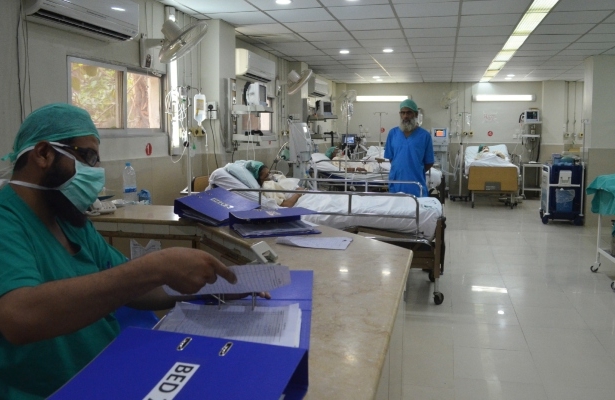
According to health officials, several patients diagnosed with diphtheria are currently receiving treatment at the Pakistan Institute of Medical Sciences (PIMS) hospital in Islamabad. Cases of whooping cough have also been reported in Islamabad and Rawalpindi, raising concerns about the transmission of respiratory infections in the twin cities.
The reported cases have prompted authorities to highlight the importance of early diagnosis, timely medical attention and preventive measures to protect vulnerable populations, particularly young children.
Meanwhile, measles has emerged as another major public health concern, with reports indicating that several hundred children have died from the disease in different parts of the country. The reported fatalities have raised questions about the effectiveness of Pakistan’s childhood immunisation programmes and the availability of adequate vaccination coverage.
Medical professionals have expressed serious concern over the insufficient rate of routine childhood vaccinations, warning that gaps in immunisation leave children exposed to preventable infectious diseases.
Experts believe that federal and provincial authorities have not taken sufficiently effective measures to increase vaccination coverage among children. They have also criticised the relevant institutions for failing to adequately address misinformation and negative campaigns against vaccines circulating on social media platforms.
According to health experts, misleading claims about vaccines can discourage parents from immunising their children, increasing the risk of outbreaks of diseases that can otherwise be prevented through routine vaccination.
They have emphasised that public health authorities need to strengthen awareness campaigns and provide parents with reliable information about the safety and importance of childhood immunisation.
The latest advisories highlight the importance of coordinated action between federal and provincial health departments to monitor infectious diseases, improve vaccination programmes and ensure timely medical assistance for affected patients.
Health authorities also need to improve disease reporting and surveillance systems so that emerging outbreaks can be identified and controlled before they spread further.
Medical experts have stressed that parents should follow recommended vaccination schedules and consult qualified healthcare professionals if their children develop symptoms of infectious diseases.
The increase in reported cases of diphtheria, whooping cough, measles and seasonal influenza has renewed concerns about Pakistan’s ability to prevent outbreaks of vaccine-preventable illnesses.
Strengthening immunisation coverage, addressing vaccine-related misinformation and improving coordination among healthcare institutions remain important steps towards protecting children and reducing the burden of infectious diseases across the country.
We welcome your contributions! Submit your blogs, opinion pieces, press releases, news story pitches, and news features to opinion@minutemirror.com.pk and minutemirrormail@gmail.com