Summary
- It has also warned against using artificial intelligence (AI) to target nuclear command, control and communications systems.
- Shah said the growing use of emerging technologies was creating new and complex security challenges.
- Pakistan also called for discussions on emerging technologies and their impact on arms control to take place through inclusive multilateral forums under UN auspices.
Pakistan has urged the international community to ensure that decisions involving the use of nuclear weapons remain under human control. It has also warned against using artificial intelligence (AI) to target nuclear command, control and communications systems.
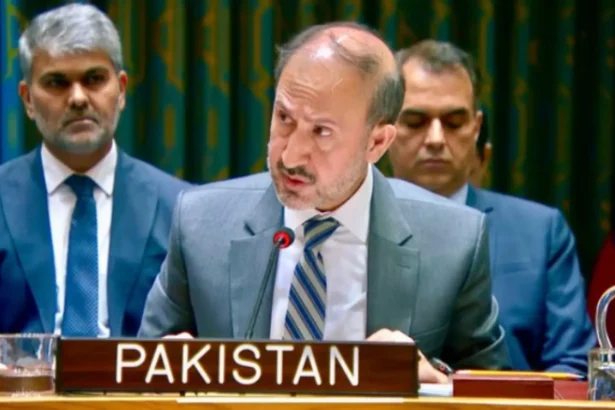
Pakistan’s Permanent Representative to the United Nations, Ambassador Syed Haider Shah, delivered the warning during a high-level open debate of the UN Security Council on Wednesday. The discussion focused on conflict resolution amid rapid technological advancements.
Shah said the growing use of emerging technologies was creating new and complex security challenges. Their rapid development, he warned, could increase the risk of an arms race and make international conflicts more difficult to manage.
He stressed that human judgement must remain central to every stage of technological design, development and deployment. Technology itself was neutral, he said, but its consequences depended on how and why it was used.
Highlighting the risks in the nuclear domain, the ambassador said decisions on nuclear weapons must never be handed over to automated systems. He also warned that AI should not be used to target nuclear command and communication infrastructure.
The Pakistani envoy called for stronger safeguards, regulations and governance mechanisms to ensure technological progress contributed to peace rather than military dominance.
He also urged countries to adopt military restraint and confidence-building measures to prevent miscalculations, particularly where advanced technologies could accelerate decision-making during a crisis.
Shah cautioned against allowing powerful countries to monopolise emerging technologies. He said developing nations must have an equal opportunity to participate in their development and benefit from their peaceful use.
He further warned that regulations introduced in the name of technological security should not become a means of restricting other countries’ access to technology and infrastructure.
The ambassador also drew attention to the growing threats posed by misinformation, disinformation, fake news and cyberattacks targeting critical infrastructure. He stressed that the UN Charter and international law remained applicable regardless of the technologies involved.
Calling for international cooperation, Shah proposed practical measures such as crisis communication channels, deconfliction mechanisms and mutual restraint to reduce mistrust and prevent accidental escalation.
He said emerging technologies required layered governance systems, clear accountability and, where necessary, legally binding agreements. Delaying regulation to gain strategic advantage would not provide a lasting solution, he warned.
Pakistan also called for discussions on emerging technologies and their impact on arms control to take place through inclusive multilateral forums under UN auspices.
While recognising the Security Council’s role in addressing technological challenges, Shah said its discussions should focus on practical implications for peacekeeping, peacebuilding and conflict resolution.
He added that artificial intelligence and unmanned aerial vehicles could help improve civilian protection and the security of UN peacekeepers. However, their use by terrorist groups and other non-state actors should also be considered when renewing Security Council mandates.
We welcome your contributions! Submit your blogs, opinion pieces, press releases, news story pitches, and news features to opinion@minutemirror.com.pk and minutemirrormail@gmail.com