Summary
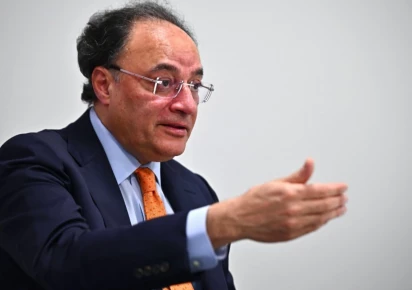
- Pakistan has so far managed to contain the immediate impact of soaring energy prices triggered by the Iran war, but continued attacks on energy infrastructure across the Gulf could threaten its economic recovery, Finance Minister Muhammad Aurangzeb has warned.
- In an interview with Agence France-Presse (AFP) on the sidelines of the International Monetary Fund (IMF) and World Bank annual meetings in Bangkok, Aurangzeb said Pakistan had secured sufficient energy supplies to meet its needs through November.
- Aurangzeb said Pakistan had handled the initial shock effectively, avoiding fuel shortages, long queues at petrol stations and law and order problems linked to energy supply disruptions.
Pakistan has so far managed to contain the immediate impact of soaring energy prices triggered by the Iran war, but continued attacks on energy infrastructure across the Gulf could threaten its economic recovery, Finance Minister Muhammad Aurangzeb has warned.
In an interview with Agence France-Presse (AFP) on the sidelines of the International Monetary Fund (IMF) and World Bank annual meetings in Bangkok, Aurangzeb said Pakistan had secured sufficient energy supplies to meet its needs through November. The government is now preparing for the winter season, when household energy consumption typically increases.
Aurangzeb said Pakistan had handled the initial shock effectively, avoiding fuel shortages, long queues at petrol stations and law and order problems linked to energy supply disruptions.
He added that the government would avoid purchasing liquefied natural gas (LNG) from the spot market unless absolutely necessary, as spot cargoes generally cost significantly more than supplies secured through existing contracts.
Global energy prices have surged since the United States and Israel launched military operations against Iran in February, prompting Tehran to retaliate against US allies in the Gulf and disrupting regional oil and gas supplies. Meanwhile, renewed fighting involving Yemen’s Houthi movement has raised further concerns, with attacks reportedly targeting Saudi energy facilities and airports.
Aurangzeb warned that continued damage to critical infrastructure could delay the region’s return to normal economic activity, even if hostilities eventually subside.
He said the growing threat to energy installations was particularly concerning because repairing damaged facilities and restoring supplies could take considerable time.
Pakistan remains heavily reliant on financial support from the IMF to maintain economic stability. Since independence in 1947, the country has entered 25 programmes with the lender, including at least 11 bailout arrangements.
Under its current three-year programme worth approximately $7 billion, Pakistan reached an agreement with the IMF this month to receive another $1.2 billion tranche.
We welcome your contributions! Submit your blogs, opinion pieces, press releases, news story pitches, and news features to opinion@minutemirror.com.pk and minutemirrormail@gmail.com