Summary
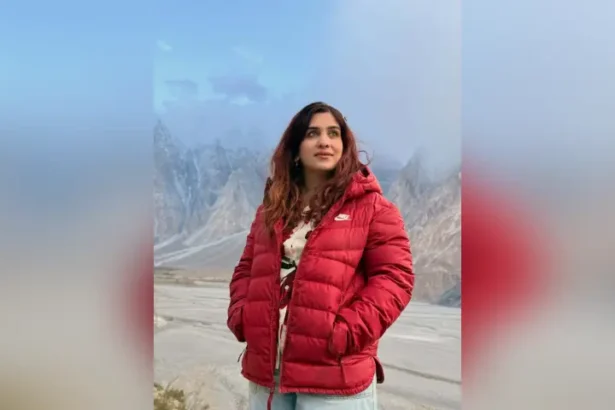
- GILGIT: The body of Pakistani mountaineer Asma Mushtaq was recovered from Gilgit-Baltistan’s Spantik Peak on Monday, nearly 10 days after she died during her descent from the 7,027-metre mountain.
- After nearly eight hours of searching, the team located Mushtaq’s body close to Camp 3 at an altitude of approximately 6,250 metres.
- High-altitude illnesses can occur when the body is unable to obtain sufficient oxygen at extreme elevations.
GILGIT: The body of Pakistani mountaineer Asma Mushtaq was recovered from Gilgit-Baltistan’s Spantik Peak on Monday, nearly 10 days after she died during her descent from the 7,027-metre mountain.
The 34-year-old climber died on August 20 after suffering a severe high-altitude medical emergency while descending from the summit.
A fresh recovery operation was launched on Friday by a team of high-altitude mountaineers from Shigar after earlier attempts were unsuccessful because of heavy snowfall and difficult weather conditions.
According to Alpine Club of Pakistan Secretary General Ayaz Shigri, the latest mission was carried out by volunteers from Arundu in Shigar. The team conducted the operation on a self-funded basis.
The recovery effort began at around 3am on Monday. After nearly eight hours of searching, the team located Mushtaq’s body close to Camp 3 at an altitude of approximately 6,250 metres.
The rescuers recovered the body and began transporting it towards Camp 2. Pakistan Army helicopters were expected to airlift the body to Skardu once it reached the base camp.
Mushtaq had been part of a five-member Pakistani women’s expedition that successfully climbed Spantik. The expedition also included Zoni Aslam, Zaba Shigri, Shama and Sohana.
The mountaineer had successfully reached Spantik’s 7,027-metre summit and was reportedly in good health at the time. However, she developed a serious high-altitude condition at around 6,400 metres while making her way down.
High-altitude illnesses can occur when the body is unable to obtain sufficient oxygen at extreme elevations. Severe cases can affect the lungs or brain and can become life-threatening without immediate treatment.
Recovering a body from above 6,000 metres is considered an exceptionally dangerous and technically demanding task. Extreme cold, heavy snowfall, thin air and unstable terrain can make such missions hazardous even for experienced high-altitude rescuers.
Mountaineering conditions across the Karakoram have also become increasingly unpredictable, with changing weather patterns creating additional risks for climbers operating on some of the region’s highest peaks.
We welcome your contributions! Submit your blogs, opinion pieces, press releases, news story pitches, and news features to opinion@minutemirror.com.pk and minutemirrormail@gmail.com