
Summary
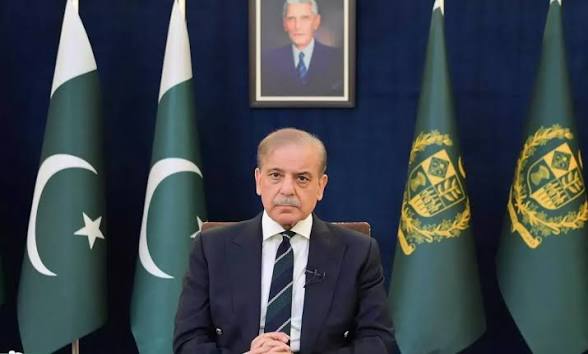
- ISLAMABAD: Prime Minister Shehbaz Sharif has announced a comprehensive support package for families living in extreme poverty and those affected by floods, as Pakistan marks the International Day for the Eradication of Poverty amid growing concerns over hunger, rising living costs and worsening economic hardship.
- Observed on October 17, the day comes against the backdrop of alarming international assessments identifying Pakistan among the 10 countries severely affected by the global hunger crisis, with an estimated 10.6 million people requiring humanitarian assistance in 2026.
- However, international aid organization Action Against Hunger has warned that climate-related disasters, high food prices, rising living costs, limited employment opportunities and declining household incomes have intensified the global food crisis.
ISLAMABAD: Prime Minister Shehbaz Sharif has announced a comprehensive support package for families living in extreme poverty and those affected by floods, as Pakistan marks the International Day for the Eradication of Poverty amid growing concerns over hunger, rising living costs and worsening economic hardship.
Observed on October 17, the day comes against the backdrop of alarming international assessments identifying Pakistan among the 10 countries severely affected by the global hunger crisis, with an estimated 10.6 million people requiring humanitarian assistance in 2026.
In his message on the occasion, the prime minister emphasized that eliminating poverty was a collective national responsibility, stressing that every citizen should benefit from development initiatives and that no segment of society should be left behind.
President Asif Ali Zardari also highlighted the importance of ensuring food security and protecting vulnerable families, expressing his aspiration for a society where no child goes to bed hungry and no mother remains anxious about her family’s future.
The latest figures paint a troubling picture of the country’s socioeconomic conditions. According to the data cited in reports, approximately 28 percent of Pakistan’s population lives below the poverty line, while poverty has increased by eight percent over the past six years.
Reports associated with the United Nations Development Programme (UNDP) and the World Bank indicate that 38.3 percent of Pakistan’s population experiences multidimensional poverty, reflecting deprivation in areas beyond income, including education, healthcare and living standards. Pakistan also accounts for 48 percent of the extremely poor population in the Middle East, North Africa, Afghanistan and Pakistan (MENAAP) region, while around 60 percent of the population reportedly cannot afford a healthy diet.
The Global Hunger Index has ranked Pakistan 106th among 122 countries, highlighting the continuing challenges of malnutrition, food insecurity and inadequate access to nutritious meals.
This year’s International Day for the Eradication of Poverty is being observed under the United Nations theme, “United for Peace and Human Rights: Safe Homes for All”. The observance dates back to October 17, 1987, when more than 100,000 people gathered in Paris to honour victims of extreme poverty. The United Nations General Assembly officially recognized the day in 1992.
National Assembly Speaker Sardar Ayaz Sadiq called for stronger social protection measures, inclusive economic growth and greater opportunities for women, young people and farmers. Meanwhile, the Ministry of Poverty Alleviation organized an international conference titled “From Poverty to Prosperity”, bringing together delegations from 12 countries to discuss poverty reduction strategies.
The Punjab government also highlighted initiatives aimed at supporting low-income households, including Apni Chhat Apna Ghar, Parwaz Card, Honhaar Scholarship, interest-free loans for rural women and the proposed leasing of state land to poor farmers for 10 years.
The Benazir Income Support Programme (BISP) and other welfare initiatives are supporting more than 10 million families through cash assistance, educational stipends and skills development opportunities.
However, international aid organization Action Against Hunger has warned that climate-related disasters, high food prices, rising living costs, limited employment opportunities and declining household incomes have intensified the global food crisis. Its report, “10 Largest Food Crises”, estimates that 266 million people across 47 countries face severe food insecurity.
The observance has therefore renewed calls for effective implementation of poverty alleviation policies, sustainable employment opportunities and affordable food, as Pakistan confronts the challenge of translating government commitments into measurable improvements in people’s lives.
We welcome your contributions! Submit your blogs, opinion pieces, press releases, news story pitches, and news features to opinion@minutemirror.com.pk and minutemirrormail@gmail.com