Summary
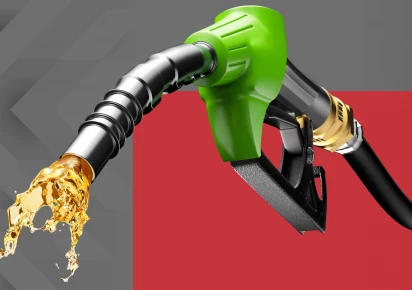
- ISLAMABAD: A suspected Rs135 billion fuel adulteration racket involving the alleged mixing of hazardous industrial solvent into petrol has triggered a government crackdown, with authorities moving against importers, tankers and officials suspected of facilitating the scheme.
- Authorities are also probing alleged misdeclaration of HS codes and the use of categories such as industrial wholesalers and chemical traders for imports that investigators believe required stricter petroleum-related scrutiny.
- Authorities are further reviewing the registration process for high-risk chemical importers, including the possibility of mandatory physical verification.
ISLAMABAD: A suspected Rs135 billion fuel adulteration racket involving the alleged mixing of hazardous industrial solvent into petrol has triggered a government crackdown, with authorities moving against importers, tankers and officials suspected of facilitating the scheme.
Sources told Minute Mirror that around 900 million litres, equivalent to more than 427,000 metric tons, of Light Aliphatic Hydrocarbon Solvent (LAHS) were allegedly imported and subsequently mixed with motor gasoline supplied to the domestic market.
The substance, which is highly inflammable and reportedly has a flashpoint below 24°C, is subject to regulatory controls applicable to dangerous petroleum products. Investigators suspect that some importers declared the material as a general industrial chemical to avoid petroleum-related licensing and regulatory requirements.
According to sources, shipments were routed through the Taftan-NLC Dry Terminal in Quetta, where authorities are examining how the consignments were cleared and subsequently moved into the fuel supply chain. The alleged adulteration has also raised concerns about potential damage to vehicle engines and additional repair costs for consumers.
A government check involving 36 importers reportedly found that 26 firms were linked to questionable or non-genuine addresses. Investigators are examining whether digital documentation submitted through the FBR’s registration system, including lease agreements and utility bills, was used to obtain tax registrations without adequate physical verification.
Authorities are also probing alleged misdeclaration of HS codes and the use of categories such as industrial wholesalers and chemical traders for imports that investigators believe required stricter petroleum-related scrutiny. The suspected use of front persons and clearing agents is also being examined as part of the inquiry.
The Prime Minister’s Office reportedly intervened on July 29 following customs intelligence reports concerning the imports. Authorities subsequently moved to block the clearance of hundreds of tankers pending verification of the required licences and documentation.
Sources said 807 tankers, including 160 Iranian transit tankers, were held at the NLC Dry Port in Quetta as part of the crackdown. The cases involving government officials have also been referred to the Federal Investigation Agency (FIA) for further investigation, including examination of financial links and assets.
Show-cause notices have reportedly been issued to officials in customs and testing institutions, while administrative action has also been initiated against personnel found responsible for regulatory lapses.
The issue has come under parliamentary scrutiny as Senate committees examine how existing import and safety regulations may have been circumvented. Regulators and government departments, including OGRA, the Ministry of Science and Technology, PSQCA and other relevant agencies, are involved in reviewing the matter.
Sources estimate that the alleged misclassification of the imports may have caused an annual loss of around Rs42 billion to the national exchequer through evasion of applicable duties and levies. Investigators are also assessing the wider financial impact on consumers allegedly affected by substandard or adulterated fuel.
The legal status of the detained tankers and their cargo remains under consideration. Authorities are examining options including controlled disposal or auction in accordance with applicable customs and hazardous-material regulations, while additional requirements may apply to the Iranian transit consignments because of their cross-border status.
The government is also working on tighter controls for future chemical imports. Proposed safeguards include pre-shipment inspection, electronic certificates of conformity, direct data submission through the Pakistan Single Window, and enhanced testing at border terminals.
Authorities are further reviewing the registration process for high-risk chemical importers, including the possibility of mandatory physical verification.
The investigation is continuing as federal agencies examine the alleged supply-chain violations, the role of importers and intermediaries, and any involvement of public officials. Further action will depend on the outcome of forensic, regulatory and criminal investigations.
We welcome your contributions! Submit your blogs, opinion pieces, press releases, news story pitches, and news features to opinion@minutemirror.com.pk and minutemirrormail@gmail.com