Summary
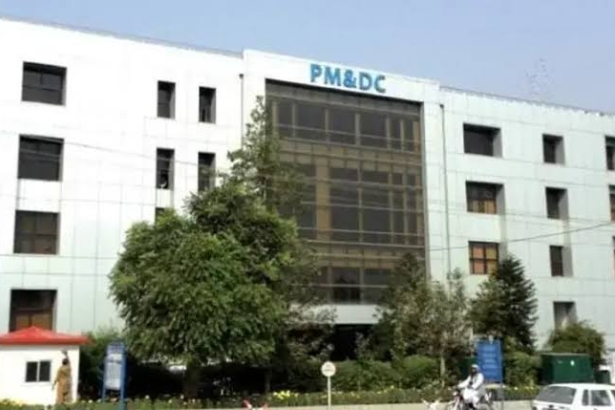
- Islamabad: Private medical colleges are facing serious questions over alleged extra fee demands, hidden charges and reports that students have been stopped from attending classes unless they pay additional money, with a parliamentary committee directing the Pakistan Medical and Dental Council (PMDC) to take strict action against institutions violating the approved fee rules.
- The PMDC said around 65 to 69 colleges had applied for fee increases and 35 had qualified for an increase above Rs18 lakh.
- Dr Shazia Sobia Aslam Soomro said audit reports could also contain irregularities and asked whether the PMDC sent inspection teams to check the actual facilities and spending claimed by colleges.
Islamabad: Private medical colleges are facing serious questions over alleged extra fee demands, hidden charges and reports that students have been stopped from attending classes unless they pay additional money, with a parliamentary committee directing the Pakistan Medical and Dental Council (PMDC) to take strict action against institutions violating the approved fee rules.
Members of the National Assembly Standing Committee on National Health Services, Regulations and Coordination were told that some students had been asked to pay an additional Rs 6 lakh, with warnings that they would not be allowed to attend their academic sessions if they refused. Another member said students had reported paying as much as Rs30 lakh through different charges, although these claims require investigation and official verification.
The committee, chaired by Dr Mahesh Kumar Malani, took serious notice of complaints that private medical colleges were charging more than the permitted amounts. It directed the PMDC to strengthen inspections, identify institutions collecting unauthorised fees and impose the maximum penalties allowed under the law.
The issue is particularly serious because students and their families may have little choice after securing admission. A member said students were approaching lawmakers regularly for help and alleged that some colleges were using additional charges to pressure them into making payments.
Dr Shazia Sobia Aslam Soomro told the meeting that she had previously shared a list of around 40 to 45 colleges with the PMDC and the Health Minister. According to her, these institutions were allegedly charging fees of up to Rs 26 lakh. She also raised fresh complaints from students who said colleges were demanding an extra Rs6 lakh and threatening to stop them from attending classes if they did not pay.
Another complaint came from Lahore, where students allegedly faced a separate list of payments and were told they could enter their college only after paying the demanded amount. The committee asked the PMDC to investigate these specific cases and verify what money was being collected and under which heads.
A member also referred to reports of students paying around Rs30 lakh during the current year. She alleged that some colleges could be collecting money under different names, presenting it as charges other than tuition fees. The PMDC representative said the council would check whether extra money had been collected and, if so, under which heads.
The committee was informed that Rs18 lakh was the normal maximum fee limit, while a few institutions had received approval for higher fees after review of their audit reports. The PMDC said around 65 to 69 colleges had applied for fee increases and 35 had qualified for an increase above Rs18 lakh.
The approved increases were not the same for every college. Officials said some institutions received increases of only Rs50,000, while the highest approved fee reached Rs21 lakh for a few institutions. The PMDC stressed that Rs21 lakh was not a new general fee limit and that no college could automatically charge that amount.
The PMDC explained that colleges seeking an increase because of higher operating costs had to submit audit reports from approved audit firms. Their applications were then examined by the PMDC Council and its fee evaluation committee. Officials said the colleges had sought increases of up to Rs25 lakh or more, but only 35 applications were approved for fees above the Rs18 lakh limit.
However, members questioned whether the audit reports alone were enough to prove that colleges genuinely needed higher fees. Dr Shazia Sobia Aslam Soomro said audit reports could also contain irregularities and asked whether the PMDC sent inspection teams to check the actual facilities and spending claimed by colleges.
She also questioned who had selected the audit firms and why colleges were required to use those particular firms. The Health Minister said the firms had been selected by a committee formed during the preparation of the new law. The committee included public and private sector representatives and had chosen three leading audit firms to reduce the risk of colleges obtaining unreliable audits. The names and further details of the firms were sought by members.
The committee also questioned how often the PMDC inspected medical colleges and how frequently its Council held meetings. It directed the regulator to provide a report at its next meeting covering inspections conducted over the previous two years, the frequency of visits and the legal process used to check colleges.
The PMDC representative said notices had already been issued to institutions after complaints of excessive fee collection. The council said it required signed complaints because some students were afraid to submit them openly. It added that institutions had been warned to correct their fee practices or face penalties, and the matter would be taken up at the next Council meeting.
The regulator said possible penalties included reducing a college’s seats, imposing financial penalties and carrying out further inspections. Cancellation of registration, it said, would be considered at the final stage because such action could affect hundreds of students already enrolled across several years.
The committee was not satisfied with relying only on notices and asked the PMDC to take effective action against colleges that continued to collect unauthorised charges. It also sought an updated list of institutions still charging above the approved limits and directed that the maximum penalty be imposed where violations were established.
The committee further asked for a complete list of colleges granted fee increases, copies of their relevant audit reports and copies of court orders relating to the fee dispute, including the stay order and its later vacation. Officials had earlier explained that a stay order was in place at the time of the previous Council meeting, around three to four weeks before the meeting under discussion, which had prevented the matter from being discussed.
Members also raised concerns about repeated annual fee increases. They questioned whether colleges could increase fees every year and whether a new fee approved for incoming students could also be imposed on students already studying in the second, third, fourth or final year.
The PMDC representatives maintained that colleges could not increase fees on their own. Any institution seeking a higher fee had to apply to the council and submit the required audit report. The committee asked the regulator to clearly explain how approved increases would apply to students already enrolled, as members said families needed certainty about the cost of completing a five year medical degree.
A member referred to a case involving a college in Tando Muhammad Khan, where the fee structure appeared to increase from the first year to the second and third years. The committee asked officials to examine the college’s records and clarify whether such increases were permitted.
The Health Minister said all colleges could not be required to charge exactly the same amount because their buildings, laboratories, facilities and investment in students differed. He said the law allowed a college to seek a higher fee if it could prove that its operating costs were above the normal limit. However, members stressed that differences between institutions should not become a reason for hidden charges or unauthorised increases.
The committee directed the PMDC to improve monitoring and ensure that no institution independently raised fees without prior approval. It also sought a clear account of the regulator’s inspections, Council meetings, fee approval process and action against colleges found violating the rules.
The meeting was attended by MNAs Zahra Wadood Fatemi, Farah Naz Akbar, Dr Shazia Sobia Aslam Soomro, Aliya Kamran, Nikhat Shakeel Khan, Dr Darshan and Sabheen Ghoury, along with the Minister for National Health and senior officials of the ministry and its attached departments.
We welcome your contributions! Submit your blogs, opinion pieces, press releases, news story pitches, and news features to opinion@minutemirror.com.pk and minutemirrormail@gmail.com