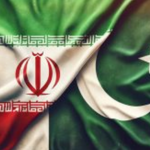
Summary
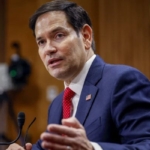
- US Secretary of State Marco Rubio has assured Gulf Arab nations that any future agreement with Iran will fully consider the security concerns and strategic interests of regional allies.
- His visit marked the first major diplomatic tour of the Gulf since the United States and Iran reached a preliminary framework agreement aimed at ending months of military confrontation.
- Rubio attempted to ease those concerns by stressing that the United States remains committed to the defence and security of its long-standing allies in the Gulf.
US Secretary of State Marco Rubio has assured Gulf Arab nations that any future agreement with Iran will fully consider the security concerns and strategic interests of regional allies.
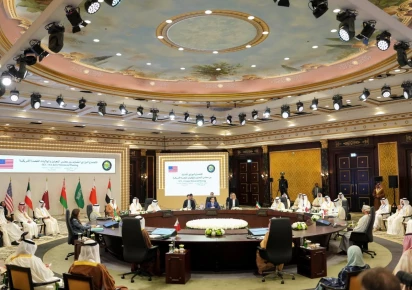
During meetings with Gulf leaders in Bahrain, Rubio emphasized that Washington seeks a lasting peace arrangement with Tehran without compromising the stability or security of partner countries in the region.
His visit marked the first major diplomatic tour of the Gulf since the United States and Iran reached a preliminary framework agreement aimed at ending months of military confrontation.
Several Gulf states remain cautious about the proposed deal, fearing that major concessions to Iran could alter the regional balance of power and increase Tehran’s influence across the Middle East.
Rubio attempted to ease those concerns by stressing that the United States remains committed to the defence and security of its long-standing allies in the Gulf.
The Strait of Hormuz remained a central issue during discussions. The strategic waterway is one of the world’s most important oil transit routes and was heavily affected during the recent conflict, causing disruptions to global energy supplies and financial markets.
Bahrain welcomed Oman’s proposal for a maritime corridor designed to ensure the safe movement of commercial vessels through the strait.
However, Iran’s Revolutionary Guard Corps rejected the proposal, stating that any navigation routes through the Strait of Hormuz must be coordinated with Iranian authorities.
Iranian officials warned that vessels using routes not approved by Tehran could face intervention and stressed that communication with Iranian naval forces would remain mandatory for ships passing through the area.
Meanwhile, tensions also emerged between Iran and NATO after comments by NATO Secretary General Mark Rutte regarding Western military support during the conflict.
Iran accused NATO of directly supporting military operations against the country and described such involvement as a violation of international law and the principles of the United Nations Charter.
Italian authorities later clarified that only logistical and technical support flights had been authorised from Italian bases and denied participation in combat operations.
US President Donald Trump also addressed the future Iran agreement, stating that Washington would reject any arrangement allowing Iran to impose shipping or transit fees in the Strait of Hormuz.
Trump argued that permitting such charges could create a precedent affecting international trade routes elsewhere in the world.
We welcome your contributions! Submit your blogs, opinion pieces, press releases, news story pitches, and news features to opinion@minutemirror.com.pk and minutemirrormail@gmail.com