Summary
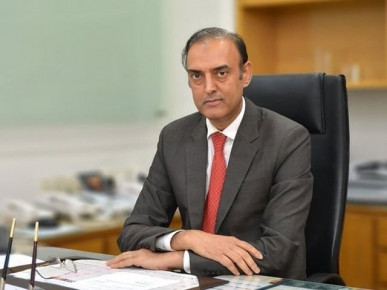
- Pakistan’s external financing pressure has eased after Saudi Arabia extended a $5 billion deposit for another three years, State Bank of Pakistan Governor Jameel Ahmad said on Wednesday.
- The development has reduced Pakistan’s gross external financing requirement for the current fiscal year to around $21.5 billion.
- The governor said the International Monetary Fund has projected Pakistan’s external financing requirements at around $30 billion for the next fiscal year.
Pakistan’s external financing pressure has eased after Saudi Arabia extended a $5 billion deposit for another three years, State Bank of Pakistan Governor Jameel Ahmad said on Wednesday.
The rollover will give Pakistan additional breathing space as it manages its external debt obligations and works to strengthen its foreign exchange position.
According to the governor, the Saudi deposit has been extended until December 2028. The development has reduced Pakistan’s gross external financing requirement for the current fiscal year to around $21.5 billion.
Pakistan has received a total of $8 billion in deposits from Saudi Arabia. This includes $3 billion received in April this year.
The remaining $5 billion had previously been rolled over annually. The latest arrangement provides Pakistan with a longer repayment period and reduces immediate pressure on its external account.
Ahmad said lower interest costs on foreign debt had also helped reduce Pakistan’s financing requirements. He estimated the reduction at nearly $500 million.
Pakistan continues to rely significantly on external financing to meet debt repayments and cover external account needs. The government is seeking to increase exports, attract investment and improve other sources of foreign exchange.
The governor said the International Monetary Fund has projected Pakistan’s external financing requirements at around $30 billion for the next fiscal year.
However, he said the estimate could be revised downward if the government succeeds in securing additional longer-term financing and improving external inflows.
According to Ahmad, Pakistan’s $21.5 billion financing requirement includes around $7.3 billion in cash deposits and approximately $3.5 billion in foreign commercial loans maturing during the year.
Pakistan also owes around $250 million to Kuwait through a long-standing cash deposit arrangement.
The governor did not comment on reports concerning Pakistan’s request for a $10 billion credit facility from the United States. He said the federal government would be in a better position to respond to the matter.
Pakistan also repaid a $1.3 billion Chinese commercial loan during July. The repayment temporarily reduced the country’s foreign exchange reserves to around $17.3 billion as of July 17.
Ahmad said China was expected to refinance the amount, with the funds potentially arriving next month.
Of Pakistan’s total external financing needs, around $7.5 billion represents net debt repayments. The country had already repaid approximately $2.2 billion during July, reducing the pressure for the remaining months of the fiscal year.
The central bank governor also revealed that the State Bank had purchased around $9 billion from the local foreign exchange market during the previous fiscal year.
The purchases were aimed at strengthening the country’s foreign exchange reserves. Over the past three years, the central bank’s total purchases from the market have reached around $28 billion.
The State Bank expects workers’ remittances to continue supporting Pakistan’s external position. Remittances are projected to help finance a significant portion of the expected trade deficit.
The central bank has also set a target of increasing foreign exchange reserves to $20.20 billion by the end of December 2026.
Meanwhile, Ahmad told the Senate Standing Committee on Finance that the federal government had not allocated a subsidy for remittance transfers.
He said commercial banks would now bear the cost of transferring workers’ remittances. Overseas Pakistanis sending money home would not be charged additional transfer fees.
The committee also reviewed banking charges and services, including SMS alerts and card transactions.
We welcome your contributions! Submit your blogs, opinion pieces, press releases, news story pitches, and news features to opinion@minutemirror.com.pk and minutemirrormail@gmail.com