Summary
- Sharon Stone has spoken candidly about her difficult relationship with her maternal grandfather, describing him as an abuser and reflecting on the complicated emotions she felt after his death.
- She said he was not a grandfather in any real sense, but someone she and her sister, Kelly, tried to avoid at all costs.
- Reflecting on that period, Stone said it is a strange thing for a child to have their first real encounter with death be one of relief rather than grief.
Sharon Stone has spoken candidly about her difficult relationship with her maternal grandfather, describing him as an abuser and reflecting on the complicated emotions she felt after his death.
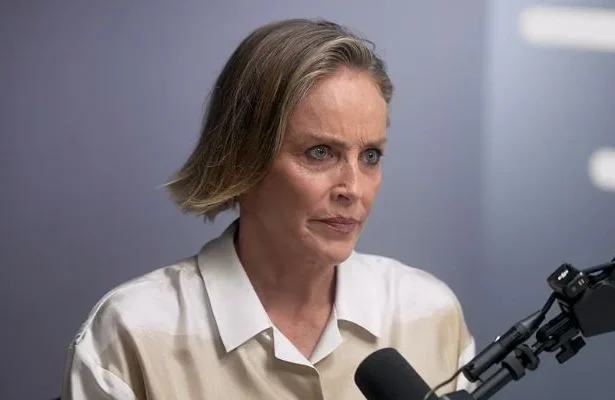
The 68 year old actress appeared on the All There Is with Anderson Cooper podcast, where she revisited a passage from her 2021 memoir, The Beauty of Living Twice, in which she had written that she felt glee, relief and emptiness after her grandfather passed away.
Explaining that statement to Cooper, Stone said he was an abuser who hurt her mother and did everything he could to get near the family in order to be abusive toward them. She said he was not a grandfather in any real sense, but someone she and her sister, Kelly, tried to avoid at all costs. In her memoir, Stone had also written that she and her sister experienced abuse at his hands.
Reflecting on that period, Stone said it is a strange thing for a child to have their first real encounter with death be one of relief rather than grief. She was 14 and her sister was 11 when their grandfather died, and she recalled that there was no gentle care or comforting presence at his funeral service.
Stone described going up to the coffin with her sister, needing to be certain that he was truly gone. She recalled reaching in and pushing his shoulder, finding him stiff and unmoving, and telling herself it was over, though she said they still stepped back afterward. She said the image of that moment, and the strange sense of what she called good emptiness, has stayed with her ever since.
This piece touches on childhood abuse, and if it brings up anything difficult for you, it can help to talk to someone you trust or a mental health professional about it.