Summary
- President Donald Trump said Friday that the United States agreed to resume negotiations with Iran after Tehran requested continued talks, even as he maintained that the ceasefire reached between the two countries last month no longer holds.
- Iranian armed forces struck US military infrastructure across several Gulf states on Thursday, responding to earlier American strikes on Iran’s southern coastal and eastern provinces.
- As Iran continues to mourn Khamenei and its military leadership issues increasingly forceful statements about retaliation, the prospects for a durable resolution to the conflict remain uncertain.
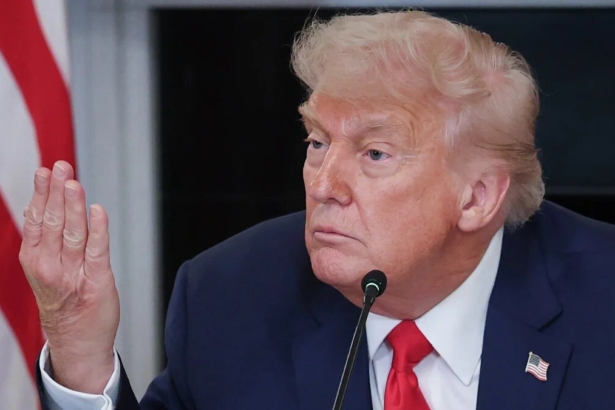
President Donald Trump said Friday that the United States agreed to resume negotiations with Iran after Tehran requested continued talks, even as he maintained that the ceasefire reached between the two countries last month no longer holds.
Trump wrote on his Truth Social platform that the Islamic Republic of Iran asked Washington to continue talks and that the United States agreed to do so. He added that American officials told Iran directly and unambiguously that the ceasefire has ended.
The announcement follows a week of intense fighting between the two nations. Iranian armed forces struck US military infrastructure across several Gulf states on Thursday, responding to earlier American strikes on Iran’s southern coastal and eastern provinces. The exchange marks the latest breakdown of an interim agreement that Washington and Tehran reached last month in an effort to end a four month conflict that had disrupted energy supplies worldwide.
Trump’s continued struggle to bring the conflict to a close has visibly frustrated him, a challenge that carries political weight for his Republican Party as it heads into midterm elections later this year against a backdrop of elevated gas prices and growing voter frustration.
Qatar’s Prime Minister and Foreign Minister Sheikh Mohammed bin Abdulrahman bin Jassim Al Thani called on both the United States and Iran to honor their memorandum of understanding and continue dialogue to prevent the conflict from escalating further. He made the appeal during a phone call with Egyptian Foreign Minister Badr Abdelatty and later shared details of the conversation in a social media post. The Qatari official also stressed the importance of protecting freedom of navigation through the Strait of Hormuz, warning that safe passage through the waterway remains essential to regional security.
Iran’s Islamic Revolutionary Guard Corps issued its own defiant message on Friday. The Guard’s top commander, Brigadier General Ahmad Vahidi, vowed retaliation against the United States and Israel over the killing of Supreme Leader Ayatollah Ali Khamenei, saying the event will remain permanently fixed in the nation’s historical memory. Vahidi called for full justice against those responsible, specifically singling out what he described as the child killing American military. In a statement carried by Iran’s Sepah news agency, Vahidi warned that American leaders and all enemies of the Islamic Revolution should understand that the killing of their leader will never bring down the movement’s cause. He described avenging the deaths of Khamenei and other victims as a permanent and unwavering demand.
Vahidi delivered his remarks days after Iran buried Khamenei in his hometown of Mashhad on Thursday, marking four months since he and four family members died in US and Israeli air strikes. Iran’s Secretary of the Supreme National Security Council added to the warnings in a separate statement carried by the Fars news agency, saying that retaliation would follow any attacks on Iranian infrastructure and that Israel would not remain safe from the response of Iranian forces either.
The renewed hostilities this week have once again cast doubt on whether the fragile diplomatic framework built last month can survive continued military exchanges. Trump’s declaration that the ceasefire has ended, paired with his simultaneous agreement to resume talks, reflects the contradictory signals that have characterized Washington’s approach to the conflict in recent weeks. Analysts tracking the negotiations note that the administration has repeatedly paired forceful rhetoric and military action with parallel diplomatic outreach, a pattern that has left regional mediators uncertain about the durability of any near term agreement.
Regional governments have intensified efforts to prevent the conflict from spreading further across the Gulf. Officials from Qatar, Egypt, Saudi Arabia and other countries have engaged in repeated rounds of phone diplomacy with both American and Iranian counterparts this week, urging restraint and pushing for a return to the technical negotiations envisioned under last month’s memorandum. Qatar in particular has positioned itself as a central mediator given its hosting of the largest American military base in the region and its long standing relationships with both Washington and Tehran.
The Strait of Hormuz remains a central point of concern for governments and energy markets alike, since the waterway carries a significant share of global oil and gas shipments from major Gulf producers. Continued disruptions to shipping through the strait carry the potential to affect global energy prices and supply chains well beyond the immediate region, giving added urgency to calls from Qatar and other mediating nations for both sides to protect freedom of navigation even as military tensions persist.
As Iran continues to mourn Khamenei and its military leadership issues increasingly forceful statements about retaliation, the prospects for a durable resolution to the conflict remain uncertain. Trump’s latest comments suggest that while formal channels for dialogue remain open, the underlying military confrontation between the two nations shows no clear sign of easing in the immediate term.
We welcome your contributions! Submit your blogs, opinion pieces, press releases, news story pitches, and news features to opinion@minutemirror.com.pk and minutemirrormail@gmail.com