Summary
- UK Prime Minister Andy Burnham has described the death of former Cambridge professor Jason Arday as “a tragedy on so many levels” and urged people to reflect before reaching conclusions about the circumstances surrounding his death.
- Arday resigned from his position as Professor of Sociology of Education at the University of Cambridge last week following allegations concerning plagiarism and questions about some claims surrounding his career.
- Professor Kehinde Andrews, a friend of Arday, said the academic had been deeply distressed after leaving Cambridge and had withdrawn from public life.
UK Prime Minister Andy Burnham has described the death of former Cambridge professor Jason Arday as “a tragedy on so many levels” and urged people to reflect before reaching conclusions about the circumstances surrounding his death.
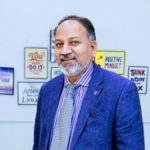
Arday, 41, was found dead at a property in Battersea, south London, on Friday afternoon. His family said they were devastated by the loss of the academic, describing him as a loving father, partner, brother, uncle and son.
In a statement released through his publisher, Simon & Schuster UK, the family said Arday had been struggling amid what they described as a campaign of misinformation.
Burnham, speaking during a visit to Cornwall, said the situation required reflection rather than immediate judgement.
Arday resigned from his position as Professor of Sociology of Education at the University of Cambridge last week following allegations concerning plagiarism and questions about some claims surrounding his career. He rejected the allegations, although he acknowledged errors in some of his earlier academic work.
Friends and colleagues have spoken about the pressure Arday faced in the weeks before his death. Eamonn McCrystal, a friend from St Mary’s University College London, said Arday had described feeling “destroyed” and expressed concern after his US travel visa was revoked.
McCrystal remembered him as a kind and gentle person who had been involved with student radio during their university years.
Cambridge Vice-Chancellor Professor Deborah Prentice said the university community was deeply saddened by Arday’s death and extended sympathy to his family and friends.
Education Secretary Lucy Powell also expressed shock and urged the public to remember the human impact of intense public scrutiny.
London Mayor Sadiq Khan said Arday had faced sustained media attention and described the treatment he received as an unacceptable campaign of public abuse. He called the death a wake-up call.
The University and College Union also called for scrutiny of the harassment Arday experienced, including allegations of racism. Other prominent figures in British public life similarly raised concerns about the treatment of Black academics and the pressures faced by people from underrepresented backgrounds.
Professor Simon Baron-Cohen, director of Cambridge’s Autism Research Centre, said he had spoken to Arday on the morning of his death. He described him as a caring and gentle person and said Arday had felt unable to leave his home.
Professor Kehinde Andrews, a friend of Arday, said the academic had been deeply distressed after leaving Cambridge and had withdrawn from public life.
The controversy surrounding Arday began after questions were raised about sections of his academic work. He denied plagiarism and said some errors were linked to the way he processed information as an autistic academic.
Further questions were also raised about claims related to aspects of his personal history, including a long-distance charity run and fundraising achievements. Arday later clarified details surrounding both claims.
His appointment at Cambridge in 2023 had been celebrated as a significant milestone, making him the university’s youngest Black professor at the time.
When announcing his resignation, Arday said the personal cost of the controversy had become too great. He maintained that his decision to leave Cambridge should not be interpreted as an acceptance of the allegations made against him.
Cambridge has announced an independent investigation into the circumstances surrounding his appointment. Liverpool John Moores University, which awarded Arday his PhD in 2015, previously concluded that he had not committed plagiarism.
We welcome your contributions! Submit your blogs, opinion pieces, press releases, news story pitches, and news features to opinion@minutemirror.com.pk and minutemirrormail@gmail.com