Summary
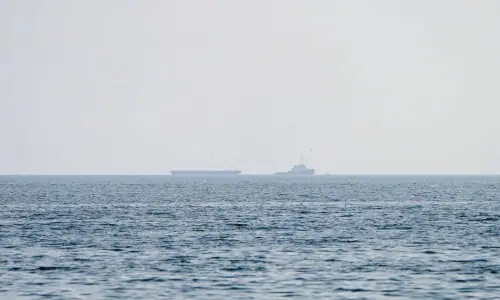
- GENEVA: The United Nations has called for the immediate evacuation and repatriation of nearly 6,000 sailors stranded in the Strait of Hormuz, warning that the escalating conflict in the Middle East is placing thousands of civilian seafarers in increasing danger.
- “Parties to the conflict should urgently work to facilitate safe passage for stranded seafarers to safely evacuate and disembark, as well as ensure the delivery of critical supplies,” Mantoo told reporters, highlighting the growing humanitarian concerns in one of the world’s most strategically important waterways.
- While governments work to ease tensions, the world body has urged immediate action to protect the thousands of sailors still stranded at sea, emphasizing that humanitarian needs must remain a priority regardless of the ongoing conflict.
GENEVA: The United Nations has called for the immediate evacuation and repatriation of nearly 6,000 sailors stranded in the Strait of Hormuz, warning that the escalating conflict in the Middle East is placing thousands of civilian seafarers in increasing danger.
Speaking in Geneva, UN High Commissioner for Human Rights Volker Türk, through his spokesperson Shabia Mantoo, urged all parties involved in the conflict to prioritize the safety of commercial shipping crews caught in the crisis.
“Parties to the conflict should urgently work to facilitate safe passage for stranded seafarers to safely evacuate and disembark, as well as ensure the delivery of critical supplies,” Mantoo told reporters, highlighting the growing humanitarian concerns in one of the world’s most strategically important waterways.
The Strait of Hormuz serves as a vital global shipping route, handling a significant portion of the world’s oil exports. However, escalating military tensions have disrupted maritime traffic, leaving thousands of sailors aboard commercial vessels unable to safely continue their journeys or return home.
The UN warned that many crews have remained at sea for extended periods, facing uncertainty over security conditions while access to food, medical assistance, and other essential supplies becomes increasingly challenging.
Human rights officials stressed that civilian seafarers should not become casualties of geopolitical conflicts and called on all sides to respect international humanitarian and maritime law by ensuring safe navigation and humanitarian access.
Maritime experts say prolonged disruptions in the Strait of Hormuz could have far-reaching consequences beyond the humanitarian crisis, affecting global energy supplies, international trade, and shipping costs.
The UN’s appeal comes as diplomatic efforts continue to prevent further escalation in the region. While governments work to ease tensions, the world body has urged immediate action to protect the thousands of sailors still stranded at sea, emphasizing that humanitarian needs must remain a priority regardless of the ongoing conflict.
We welcome your contributions! Submit your blogs, opinion pieces, press releases, news story pitches, and news features to opinion@minutemirror.com.pk and minutemirrormail@gmail.com