Summary
- WASHINGTON: The United States may find it difficult to economically isolate Iran completely unless China cooperates with Washington, according to a New York Times analysis, which highlights Beijing’s growing role in Iran’s oil exports and trade.
- Increasing pressure on Iran could put the United States in a position where it also has to confront China, potentially widening an already complicated economic rivalry.
- The analysis suggests that Beijing’s decisions could ultimately determine how far the US pressure campaign can go — and whether Washington can tighten the economic screws on Tehran without opening another front in its increasingly complex relationship with China.
WASHINGTON: The United States may find it difficult to economically isolate Iran completely unless China cooperates with Washington, according to a New York Times analysis, which highlights Beijing’s growing role in Iran’s oil exports and trade.
China is Iran’s largest trading partner and a major buyer of its crude oil, giving Beijing considerable influence over the effectiveness of any US campaign aimed at cutting Tehran’s access to international revenue.
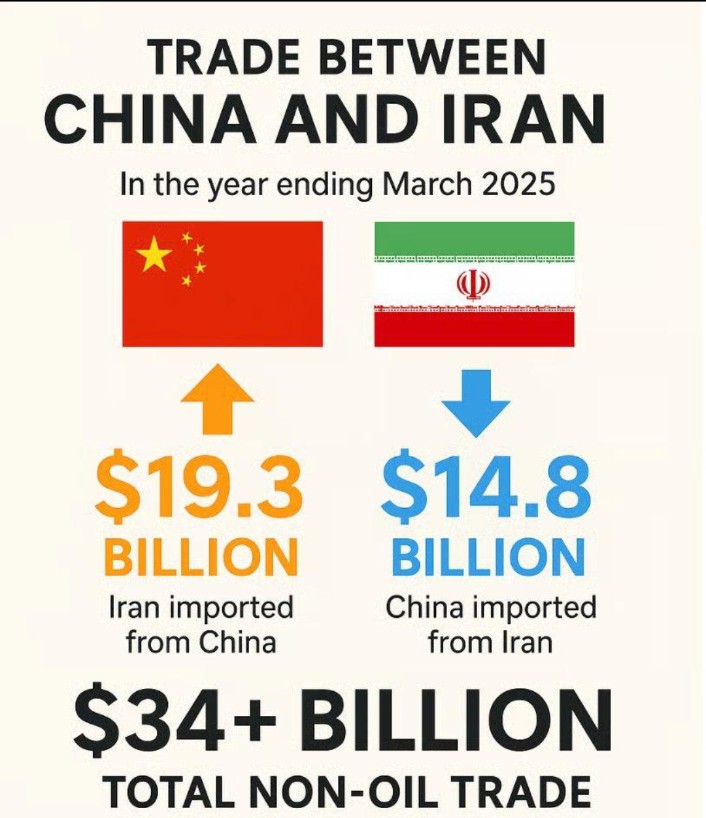
According to figures cited in the analysis, China and Iran conducted around $41.2 billion in trade in 2025, while Chinese buyers imported approximately $31.2bn worth of Iranian crude during the same year. At times, Chinese customers have accounted for as much as 90 per cent of Iran’s total oil exports.
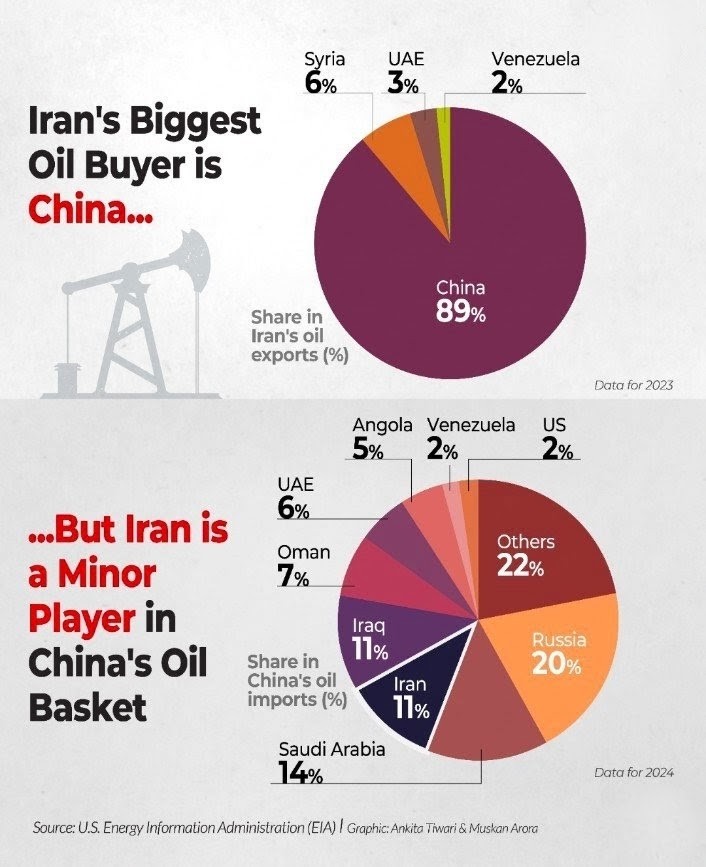
That dependence creates a significant challenge for Washington. The United States can impose sanctions on Iranian banks, companies, oil traders and vessels, but cutting off those channels may not be enough if Chinese businesses continue buying Iranian crude.
A particularly important role is played by China’s small independent refineries, commonly known as “teapots”. These private operators have relatively limited exposure to the global financial system, potentially making them less vulnerable to traditional US sanctions.
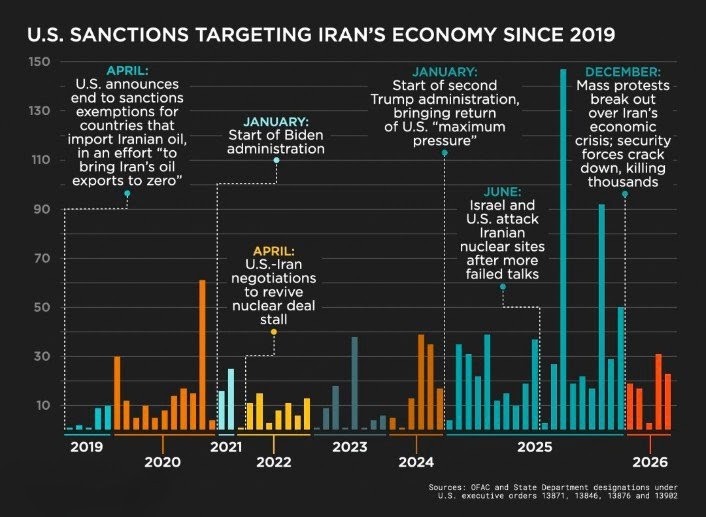
The arrangement has allowed Iran to maintain an important source of revenue despite years of American restrictions. Continued Chinese purchases could therefore provide Tehran with the financial breathing room needed to withstand additional economic pressure.
But Beijing has its own economic leverage over Washington.
The New York Times analysis noted that China could potentially restrict exports of critical minerals needed by American technology and defence industries. Beijing has previously used restrictions on strategic minerals during periods of trade tension with the United States, demonstrating the potential economic cost of confrontation.
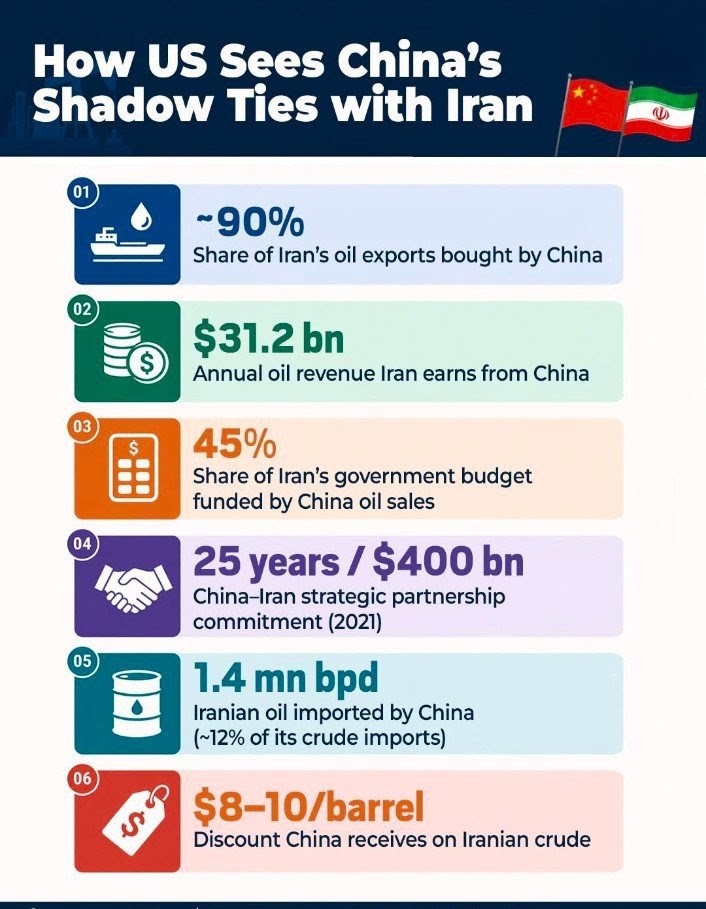
That creates a difficult calculation for Washington. Increasing pressure on Iran could put the United States in a position where it also has to confront China, potentially widening an already complicated economic rivalry.
The geopolitical equation is further complicated by developments in the Middle East. The analysis pointed to US military activity in the region and the movement of some American military assets from the Pacific. Chinese observers have interpreted such moves as potentially creating vulnerabilities in America’s strategic position in Asia.
For Washington, the central question is therefore not simply how many sanctions can be imposed on Tehran. It is whether those measures can succeed while Iran retains access to one of its most important economic partners.
If China continues purchasing Iranian oil and maintaining commercial ties with Tehran, Iran is unlikely to become completely isolated economically.
The analysis suggests that Beijing’s decisions could ultimately determine how far the US pressure campaign can go — and whether Washington can tighten the economic screws on Tehran without opening another front in its increasingly complex relationship with China.
We welcome your contributions! Submit your blogs, opinion pieces, press releases, news story pitches, and news features to opinion@minutemirror.com.pk and minutemirrormail@gmail.com