Summary
- The United States has levied a 10 per cent tariff on Pakistani goods under a broader Section 301 trade action targeting 60 economies for their failure to adequately prohibit and enforce bans on imports produced with forced labour.
- Pakistan is grouped in the 10 per cent tariff bracket alongside nations such as India, Bangladesh, Mexico, and the United Kingdom.
- These countries either imposed a prohibition on forced-labour imports, committed to one through a trade agreement, or introduced a partial restriction regime, while other investigated economies face tariffs of up to 12.5 per cent.
The United States has levied a 10 per cent tariff on Pakistani goods under a broader Section 301 trade action targeting 60 economies for their failure to adequately prohibit and enforce bans on imports produced with forced labour.
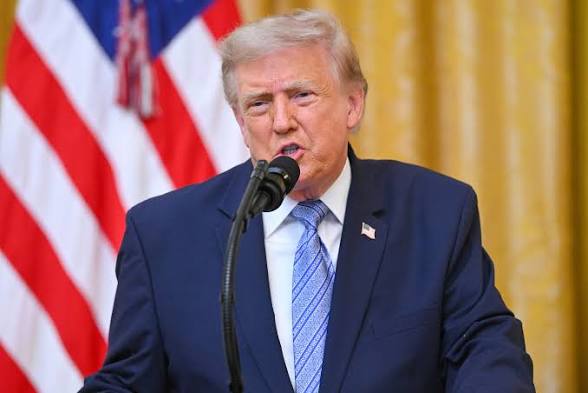
According to the Office of the U.S. Trade Representative (USTR), the final action followed investigations directed by President Donald Trump in March, encompassing public hearings and consultations with numerous governments. Ambassador Jamieson Greer stated that trading partners must match the enforcement standards the United States has upheld, noting that decades of moral persuasion have failed to eradicate forced labour from global supply chains.
Pakistan is grouped in the 10 per cent tariff bracket alongside nations such as India, Bangladesh, Mexico, and the United Kingdom. These countries either imposed a prohibition on forced-labour imports, committed to one through a trade agreement, or introduced a partial restriction regime, while other investigated economies face tariffs of up to 12.5 per cent.
The new duties arrive at a critical juncture for Islamabad. Pakistan has recently positioned itself as a key mediator in the US-Iran conflict and deepened its security partnership with Saudi Arabia, including the deployment of air-defence assets. However, the conflict has already strained Pakistan’s economy, with shipping disruptions in the Strait of Hormuz driving up domestic petroleum prices amid high inflation.
Textiles and apparel, a primary focus of the USTR’s forced-labour investigation, represent a significant portion of Pakistan’s exports to the US. Industry groups are expected to evaluate the impact of these tariffs on market competitiveness in the coming days.
The USTR noted that product exemptions will apply in limited cases, including critical raw materials and goods that cannot be sourced reasonably from elsewhere. Islamabad has yet to issue a formal response to the tariff imposition.
We welcome your contributions! Submit your blogs, opinion pieces, press releases, news story pitches, and news features to opinion@minutemirror.com.pk and minutemirrormail@gmail.com