Summary
- Specialized rescue teams and humanitarian workers from several countries have arrived in Venezuela to support local authorities in search and recovery operations.
- Swiss rescue specialists, Mexican emergency teams and personnel from several European nations are assisting efforts on the ground.
- The United Nations has called for urgent international assistance, warning that the humanitarian needs are likely to increase in the coming days as rescue efforts continue and displaced families require shelter, food and medical care.
The death toll from the devastating earthquakes that struck Venezuela has risen to 589, while nearly 3,000 people have been injured, according to figures released by government officials.
Emergency crews continue to search for survivors trapped beneath collapsed buildings as hopes remain that more people can still be rescued from the rubble.
The twin earthquakes, measuring 7.2 and 7.5 in magnitude, struck within a minute of each other late on Wednesday night, causing widespread destruction across several parts of the country. The second tremor was among the strongest earthquakes to hit Venezuela in more than a century.
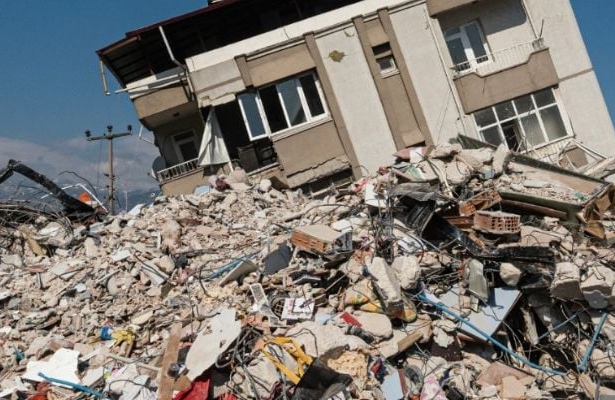
Rescue operations are focused on the capital Caracas and the coastal state of La Guaira, where entire buildings were reduced to debris. Search teams have reported hearing voices and cries for help from beneath the wreckage as efforts continue around the clock.
In a dramatic rescue earlier, emergency workers pulled a woman alive from the ruins of a collapsed structure, providing a rare moment of hope amid the tragedy.
The disaster has prompted a major international response. Specialized rescue teams and humanitarian workers from several countries have arrived in Venezuela to support local authorities in search and recovery operations.
Swiss rescue specialists, Mexican emergency teams and personnel from several European nations are assisting efforts on the ground. Additional support has also arrived from El Salvador and other countries offering expertise, equipment and humanitarian aid.
European countries participating in the international response include Spain, Italy, France, Germany, Portugal, the Netherlands, Luxembourg and the Czech Republic, all contributing resources through coordinated emergency mechanisms.
Medical facilities in the worst-hit regions are struggling to cope with the growing number of casualties. Authorities have warned that hospitals are facing severe shortages of medical supplies and emergency equipment as thousands require treatment.
Scientists believe the earthquakes were linked to activity along the San Sebastián Fault system running parallel to Venezuela’s northern coastline. Experts estimate the rupture may have extended over a distance of up to 200 kilometres, contributing to the scale of destruction.
The United Nations has called for urgent international assistance, warning that the humanitarian needs are likely to increase in the coming days as rescue efforts continue and displaced families require shelter, food and medical care.
Humanitarian agencies are now coordinating relief operations as Venezuela confronts one of the deadliest natural disasters in its modern history.
We welcome your contributions! Submit your blogs, opinion pieces, press releases, news story pitches, and news features to opinion@minutemirror.com.pk and minutemirrormail@gmail.com