Summary
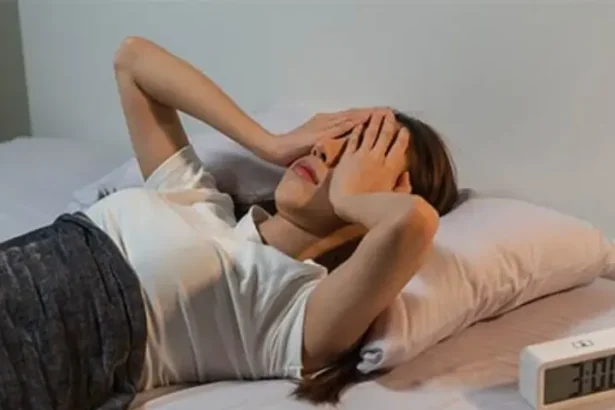
- Have you ever slept easily in your own bed but struggled to sleep in a hotel, at a relative’s house or in a completely new place? Even when the bed is comfortable and you are tired from traveling, you may wake up several times during the night.
- This is quite common and is known as the “First Night Effect.” Experts say that when we sleep somewhere unfamiliar the brain may not fully relax.
- People who worry a lot about sleep may be more sensitive to the First Night Effect.
Have you ever slept easily in your own bed but struggled to sleep in a hotel, at a relative’s house or in a completely new place? Even when the bed is comfortable and you are tired from traveling, you may wake up several times during the night.
This is quite common and is known as the “First Night Effect.” Experts say that when we sleep somewhere unfamiliar the brain may not fully relax. Instead part of it stays more alert and keeps checking the new surroundings.
Why does the brain stay alert?
When you enter a new environment your brain needs time to get used to unfamiliar sounds lights temperature and movements. During the first night one part of the brain may remain more active and respond quickly to unusual sounds or possible disturbances.
This is believed to be a natural way for the brain to adapt to a new environment.
How much can sleep be affected?
The First Night Effect does not affect everyone in the same way. Some people may sleep for around 20 to 30 minutes less than usual while others may mainly experience lighter or more interrupted sleep.
This can leave you feeling tired or less refreshed the next morning even if you actually slept for several hours.
Children and older adults may notice it more
Age can also play a role. Children and teenagers may be more sensitive to changes in their sleeping environment. Older adults may also notice changes in their sleep while younger adults may experience fewer effects. From an evolutionary point of view staying alert in an unfamiliar place may have helped humans remain aware of possible dangers.
It is not always the brain
Poor sleep in a new place can have many other causes. Travel fatigue, a different schedule room temperature bright lights outside noise an unfamiliar bed or pillow and other people nearby can all disturb sleep.
Some people sleep better away from home
Interestingly the First Night Effect does not happen to everyone. Some people actually sleep better in a new place.
Someone who is extremely tired after a long journey may sleep deeply despite being in unfamiliar surroundings. Similarly people who experience stress or poor sleep at home may find a new environment relaxing and sleep better.
Worrying about sleep can make it worse
Sometimes the biggest problem is not the new place but the fear of not being able to sleep. If you go to bed thinking, “I won’t sleep tonight” you may become more anxious and make it harder for your brain to relax.
People who worry a lot about sleep may be more sensitive to the First Night Effect.
How to sleep better in a new place
A few simple habits may help your body and brain adjust. Keep your usual sleeping and waking times as much as possible. Make the room quiet dark and comfortably cool.
Reduce phone and laptop use before bedtime.
Give yourself some time to relax after arriving instead of going straight to bed. Take a familiar pillow blanket or other comforting item if possible.
Read a book listen to soft music or follow another relaxing bedtime routine.
Most importantly do not panic after one bad night of sleep. In many cases the brain becomes familiar with the new surroundings and sleep improves naturally. So, if you wake up several times during your first night in a hotel or another unfamiliar place.
it does not necessarily mean something is wrong. Your brain may simply be taking time to decide that the new environment is safe.
We welcome your contributions! Submit your blogs, opinion pieces, press releases, news story pitches, and news features to opinion@minutemirror.com.pk and minutemirrormail@gmail.com